East Coast Home Inspection Ltd

Monthly Market Intelligence

THE REPORT

Your briefing on Southern New Brunswick real estate trends, inspection insights from the field, and data that helps you advise your clients with confidence.

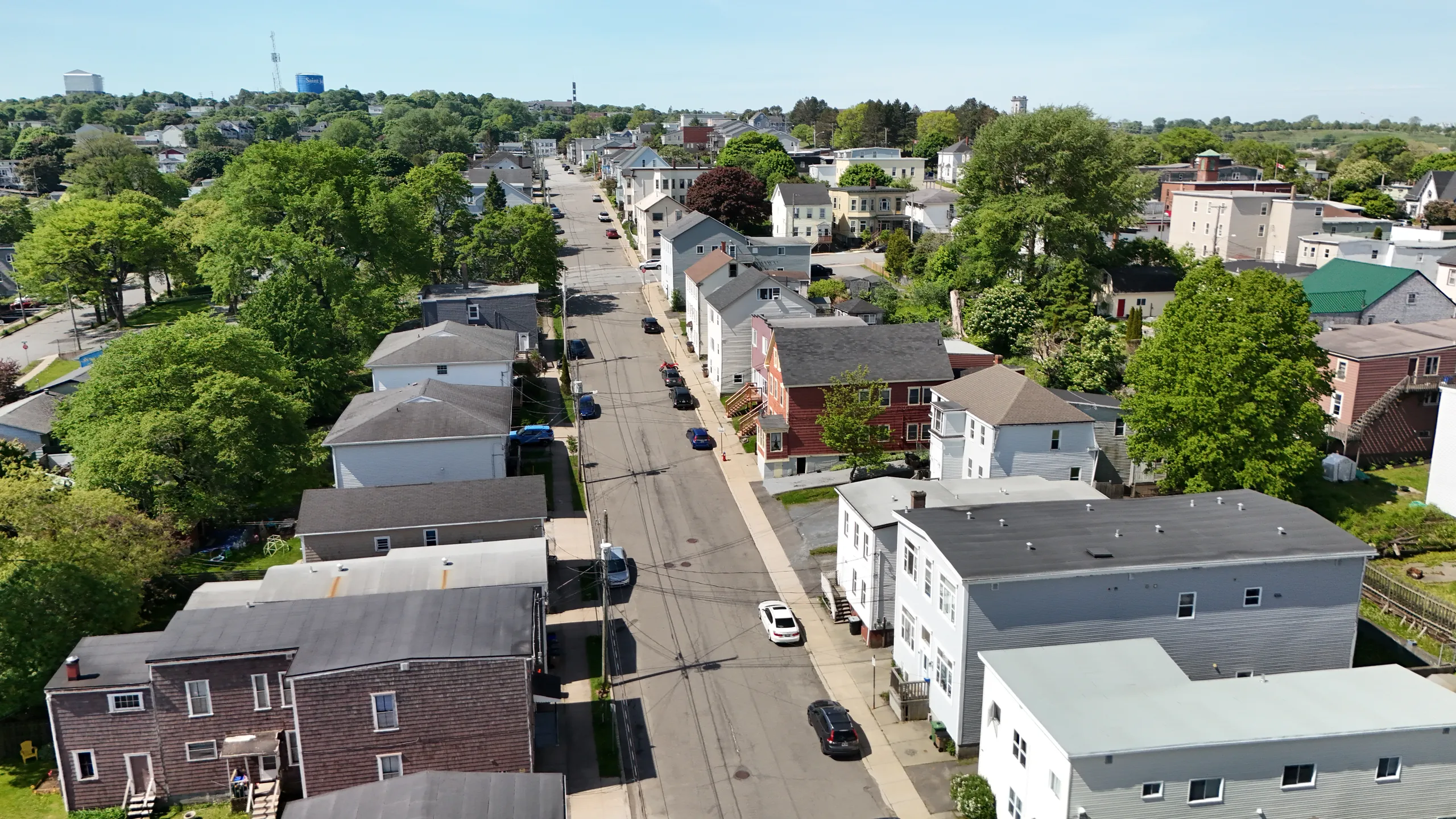
Aerial view of an older West Side Saint John residential street in early summer, the 1970s housing stock where clay and cast iron sewer lines are reaching the end of their service life

Market Snapshot

If you heat with oil, June 30 is the deadline that matters. And under older West Side streets, the sewer lines are aging together.

Two things shape the Southern New Brunswick conversation this month. A rebate deadline that can be worth thousands to a buyer who lines it up before closing, and what I keep finding under older Saint John streets when a whole row of homes was built at once and the buried services are all the same age.

$352,200

↑ 10.1% YoY

NB benchmark price (May)

925

↓ 12.4% YoY

Provincial sales (May)

4.0

Below ~4.2 avg

NB months of inventory

1,629

↑ 4.7% YoY

New residential listings (May)

Prices keep climbing while sales cool

The May 2026 data from CREA and New Brunswick REALTORS tells two stories at once. Provincially, the benchmark composite price reached $352,200, up 10.1% year over year. That is the number realtors are working against in every listing conversation. Underneath it, sales softened. The province recorded 925 units sold in May, down 12.4% from the same month last year. Fewer transactions, higher prices. That combination usually points to motivated buyers competing over limited stock, not a market running out of steam.

Inventory backs that up. New Brunswick sat at 4.0 months of inventory, up from 3.4 a year ago but still under the long-run average of roughly 4.2 months, which keeps conditions on the seller-favourable edge of balanced. New listings rose for the fifth straight month, up 4.7% to 1,629 across the province, and that fresh supply is part of why prices are not climbing even faster. Within that picture, Saint John was the most resilient market in the province, where well-priced homes kept moving even as sales cooled elsewhere.

What it means at the table

The agent read. Pricing power is real, but buyer patience is thinner than last spring. Realistic list prices and clean, well-documented listings move fastest, and a pre-listing inspection is one way to give a Saint John listing that documented edge.

The buyer read. Conditional offers with an inspection clause still get accepted in this market, but the window to remove conditions is shorter than it was a year ago. Knowing the condition of the home before you firm up is how you compete without waiving the one safeguard that is working for you.

Source: CREA / New Brunswick REALTORS du Nouveau Brunswick, May 2026

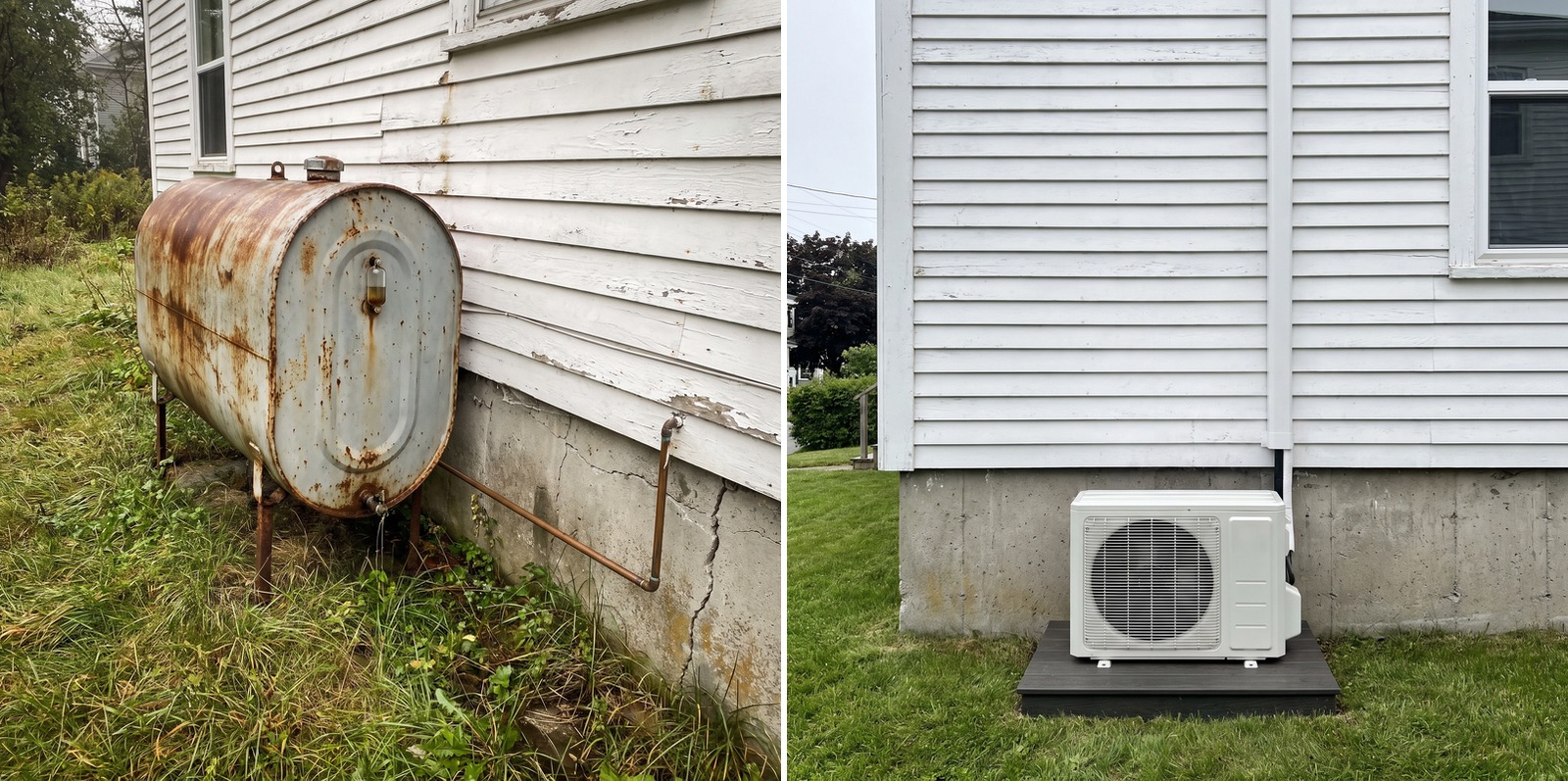
Before and after of an oil to heat pump conversion: an old rusted outdoor oil tank beside an older Saint John home, and a new mini-split heat pump installed on a pad at the same style of home
From the Field

NB Power's 4.29% increase landed April 14. The date that matters more is the June 30 deadline to switch off oil heat.

If you heat with oil in Saint John or anywhere in Southern New Brunswick, the most useful date on your calendar right now is June 30, 2026. That is the registration deadline for the Oil to Heat Pump Affordability program, which can cover a full conversion for the lowest-income households and advance up to $15,000 toward the work for households above that line.

The rate context. NB Power's 4.29% increase took effect April 14, 2026. Residential rates moved from 14.76 to 15.39 cents per kilowatt hour. On its own that is a manageable monthly bump. What it signals is the direction, and that direction is what makes a one-time switch off oil worth looking at now rather than next winter.

The income split, kept separate. Through saveenergynb.ca, eligibility turns on a $70,000 household income line. At or under $70,000, the provincial Enhanced Energy Savings stream covers the oil to efficient switch at no cost. Over $70,000, the Total Home Energy Savings stream advances up to $15,000 toward the work. Registration closes June 30, 2026, and Total Home work must be complete by March 31, 2027.

The federal half. Separately, Natural Resources Canada runs its own funding, up to $10,000 plus a $250 payment, with a federal deadline of July 31, 2026. The NRCan figures and dates are federal. The $70,000 split and the $15,000 advance are the provincial saveenergynb numbers. Do not blend them when you check your own eligibility.

The inspection connection. On an inspection I document the oil tank and the heating system in detail, because that record is what an energy program and an insurer both end up asking for. I note the tank's make, age, condition, secondary containment, and how close it sits to drains and water sources, and I record the furnace or boiler type, age, and condition. When a buyer is weighing a conversion during their conditional period, that documentation is the starting point for an energy advisor's evaluation. It is also the same record that keeps an oil-heated home insurable, since a tank past its service life is a known coverage friction point across Atlantic Canada.

Agent takeaway

For any client looking at oil-heated stock between now and June 30, this deadline is a real number on a real calendar. The agent who flags it early gives a buyer time to confirm eligibility and line up the energy evaluation during the conditional period, before closing forecloses the option. It is a small move that can be worth thousands to them.
Older 1970s homes on a West Side Saint John street where clay and cast iron sewer lines are reaching the end of their service life
From the Field

In older Saint John homes, the one major system a standard inspection cannot see

In older Saint John neighbourhoods like the West Side, the clay and cast iron sewer lines under 1970s homes tend to reach the end of their service life around the same age. A home built in that era is often sitting right at the edge of that window when it changes hands today, and the buried line is the one major system a standard inspection cannot see.

This spring I inspected my eighth home on the same West Side Saint John street. Of those eight, three needed work on the sewer line. Same era, same soil, same vintage of buried services. When homes go up together on one street, they age together too, and the sewer line is where that shared timeline shows up most clearly.

Cast iron stacks corrode from the inside out. The pipe can look solid where I see it in the basement while the inner wall scales and narrows, and the drain it once handled with room to spare starts to back up under a normal load. Clay lines crack and shift as the ground around them settles. Either way the result is the same: a line that drains a little slower each season until one winter it does not keep up.

None of this shows at a showing. You can run a tap, flush a toilet, and watch the water disappear exactly as it should. That tells you nothing about what the buried line is doing twenty feet out toward the street.

The inspection connection

A standard home inspection covers the plumbing I can see and reach. The buried sewer line runs out of sight under the floor and the yard, so the only way to read its condition is to put a camera down it. On a sewer scope I feed the line from the cleanout and watch for scaling, separated joints, sags that hold standing water, and roots finding their way into a cracked section. On a West Side home of that vintage, the camera turns a guess into a clear answer. Finding out before closing is far easier than the first winter the drains slow down, and a clean scope is a selling point on a listing of that vintage too.

Code Update

Is New Brunswick on the 2025 building code yet, and what does it change for older home deals?

New Brunswick still builds to the National Building Code 2020 and the National Energy Code 2020 at Tier 2, not the 2025 national edition. So when a listing or a renovation permit cites current code, the 2020 set is the standard in force here, and two provisions surface most in the older Saint John homes I inspect.

Window opening control devices. New construction and window replacements in rooms where the sill sits well above grade now call for opening control devices, a child safety measure. It applies going forward, not retroactively, so an older home will rarely have them, and that is normal rather than a defect.

Passive radon rough-ins. New builds are being directed toward a sealed membrane under the slab and a pipe routed from the foundation up, ready for a fan if a later test reads high. On an existing home that pipe usually is not there, which brings me to timing.

If you are planning a radon test, the season matters. Long term tests are most accurate from October through April, when the house is closed up and the air is representative. Tests started in summer tend to read low, so a clear summer result can give false comfort. C-NRPP recommends a minimum 91 day test. Start it now and let it run into the heating season, or hold until October. I walk buyers through radon testing in Southern New Brunswick so the result reflects the home, not the season.

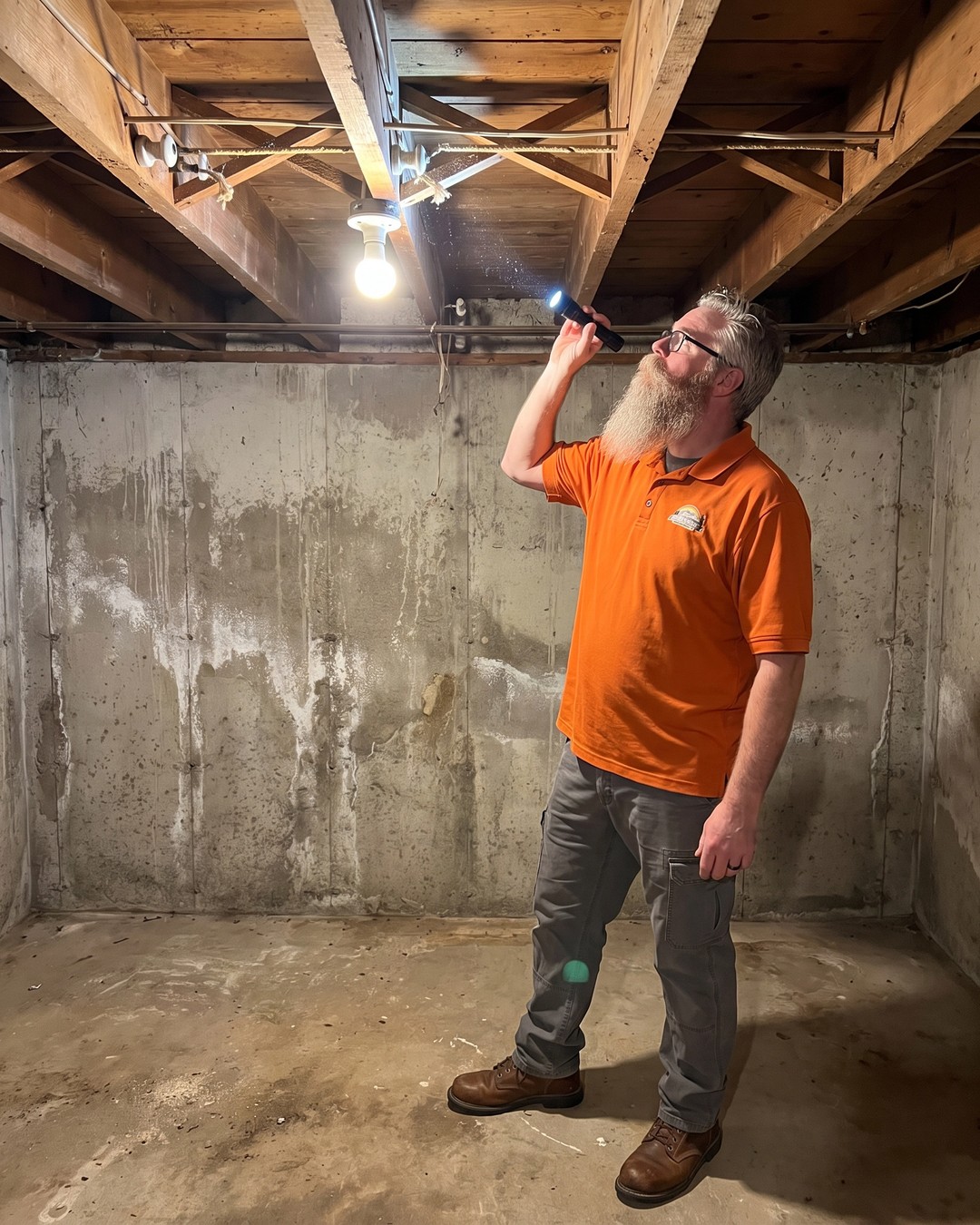
Jonathan shining a flashlight up at knob and tube wiring along the basement joists of an older pre-1980 Saint John home during a pre-listing inspection
Listing Agent Tip

Three checks before you list an older West Side or pre-1980 Saint John home this season

Before you list an older West Side or pre-1980 Saint John home, three findings reliably surface at the buyer's inspection: the buried sewer line, an oil heating system, and any knob and tube wiring. Knowing where each one stands before the first showing keeps a closing-day surprise from becoming a renegotiation after an offer is conditional.

The sewer line. On the West Side 1970s homes I keep inspecting, clay and cast iron sewer lines reach end of life around the same age. Cast iron stacks corrode from the inside and narrow, so drains slow year over year. None of it is visible at a showing. A sewer scope reads the buried line and tells your seller what is down there.

The oil system. If the home still heats with oil, the OHPA registration deadline of June 30, 2026 changes the math for a seller weighing whether to convert now or leave it to the buyer.

The wiring. Any history of knob and tube wiring is a question your buyer's insurer will eventually ask. Knowing where it runs puts you ahead of that conversation.

Why a pre-listing inspection earns its cost

A pre-listing inspection documents all three, so you set the terms when the findings come up instead of reacting to them. If you have an older listing coming to market and want to talk through whether a pre-listing inspection makes sense, call or text 506-651-9461.

Programs Worth Knowing

Three programs deserve a Southern New Brunswick buyer or seller's attention this month.

Deadline: June 30, 2026

Oil to Heat Pump Affordability registration closes

For a household at or under $70,000 in income, the Enhanced Energy Savings pathway covers an oil to efficient heating switch at no cost. For a household over $70,000, the Total Home Energy Savings stream offers up to $15,000 in advance toward the conversion. Registration closes June 30, 2026, and Total Home work must be complete by March 31, 2027.

SaveEnergyNB →

CMHC Eco Improvement

A 25% mortgage insurance premium refund

On a CMHC insured purchase, a buyer who invests $20,000 or more in eligible energy upgrades, such as insulation, windows, or a heat pump, can apply for a refund of 25% of the mortgage loan insurance premium. The application goes in within 24 months of closing, with paid invoices confirming the work.

CMHC →

Radon Testing Window

If you have been meaning to test, start in October

A long term radon test reads most accurately during the heating season, October through April, when a home is closed up and indoor levels reflect how the house really behaves. Tests started in summer tend to under report. C-NRPP recommends a 91 day minimum measurement, the standard I follow on every radon job across Southern New Brunswick.

Radon testing services →
Super thorough. The kind of company that can tell you with confidence that the home you're looking at is rock solid and a good investment and then still give you 55 pages of items that need to be looked at or addressed. I'd consider it an unacceptable risk to buy a house that Jonathan hasn't looked at.

John C · Verified Google Review

4.9 550+ Google Reviews · Southern NB's Most Reviewed Inspector

Get The Tide Report
in your inbox

I send a short email each month when a new issue goes live. One message, no fluff, just the key numbers and a link to the full report.

Subscribe