
C-NRPP Certified
Canadian National Radon Proficiency Program certified.
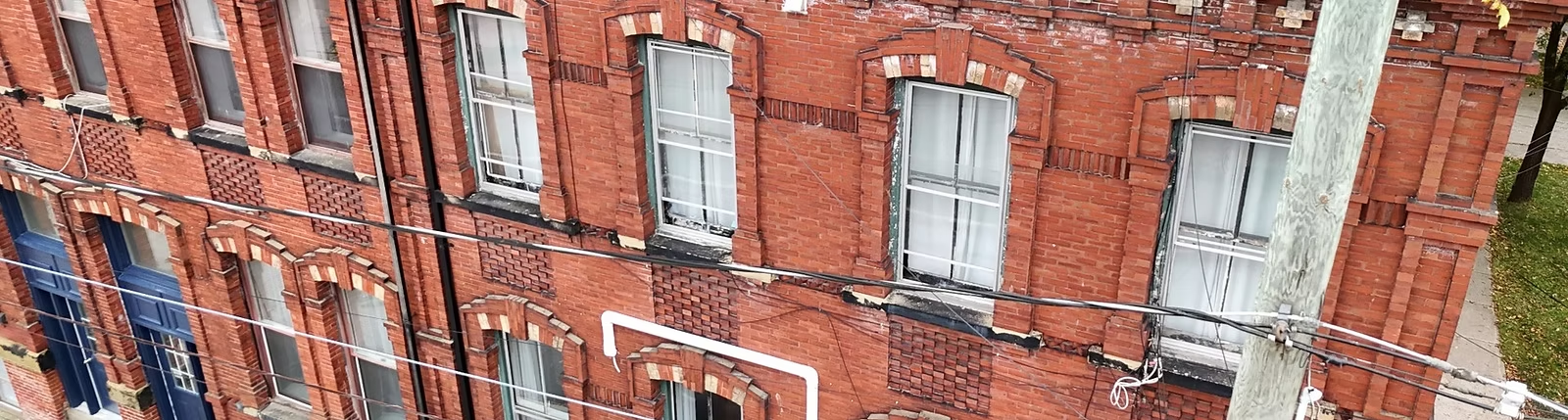
Service Areas · Saint John
Detailed home inspections across Saint John, from the oldest neighbourhoods to the newest builds.
Certified and Trusted in Saint John

Proud member of the Saint John Regional Chamber of Commerce.

Registered Home Inspector, nationally recognised designation.

Wood Energy Technology Transfer certified inspector.
Canadian National Radon Proficiency Program certified.
Saint John is one of Canada's oldest cities. Its homes span over 200 years of building styles. You will find Victorian brick row houses in the Uptown, post-war cottages on the East Side, and classic wood-frame homes throughout. Each area has its own set of things to watch for during an inspection.
About 70 percent of Uptown buildings are multi-family units, most built before 1960. The West Side has more single-family homes on larger lots. The East Side has seen new multi-unit builds in recent years. This mix of old and new means no two Saint John inspections are the same.
Read reviews from clients I've helped in the Saint John area.
Clear, Detailed Reports
"I found Jonathan very pleasant, informative, thorough and very professional. The reports were clear and concise documentations that were complemented by clear photographs."
Home Inspection
Professional and Thorough
"Professional and very thorough."
Multi-Unit Inspection
Quick, Clear, and Friendly
"I would recommend this service to anyone buying a home. Jonathan booked us in quickly, thoroughly explained any issues, and was very friendly and clearly enjoys his job."
Thorough and Prioritised
"Jonathan did a very comprehensive job. His report was exhaustive, and he discussed every finding in a prioritised sequence with reasonable solution suggestions. I strongly recommend him to prospective home buyers in the Saint John area."
From century row houses in Uptown to newer builds in Millidgeville, here is a look at some of the homes I have recently inspected across Saint John.
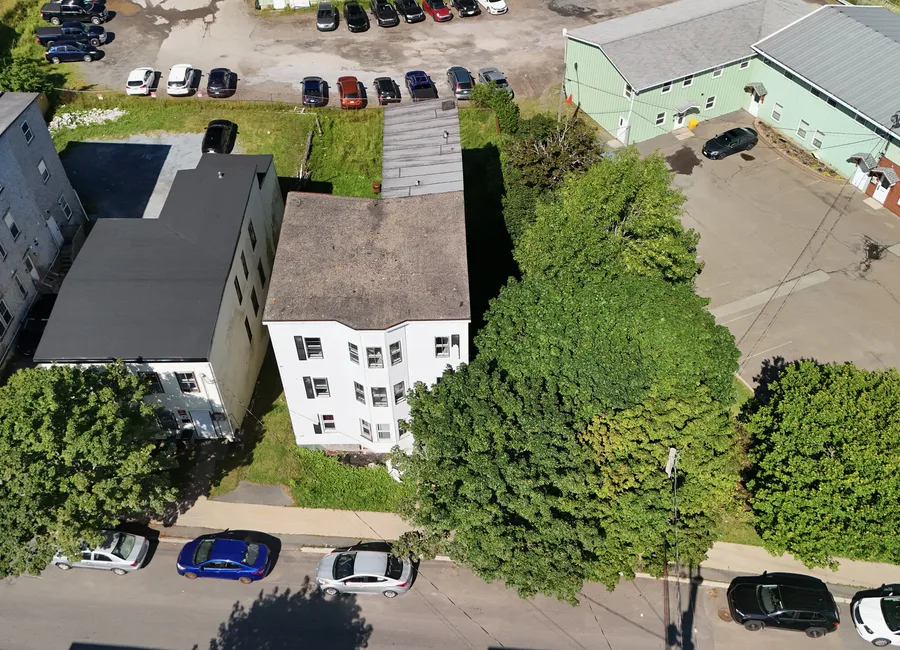
On an older three storey home like this in Saint John, the low slope roof is where I start, and a drone lets me see the surface, seams and flashing up close without walking it. Homes set tight against their neighbours leave little room for water to drain, so I check the side walls and foundation for moisture. Inside, I look at the age of the wiring, plumbing and heating, especially where a home has been split into units.
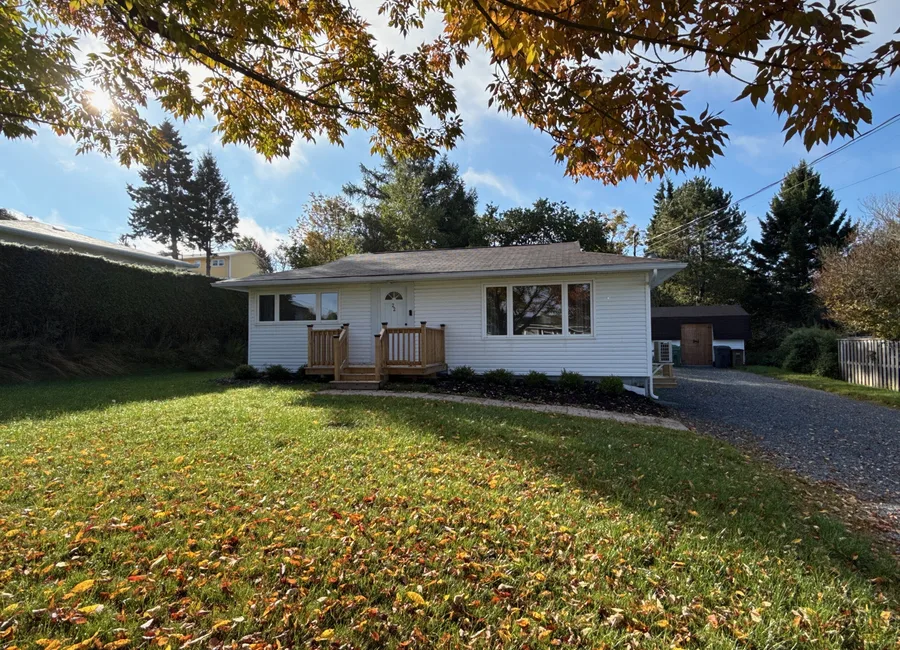
On a single storey home like this in Saint John, the roof covers the whole footprint, so I look closely at shingle wear, flashing, and attic insulation and ventilation. With everything on one level, the basement carries the mechanical systems, so I follow the electrical panel, plumbing and heating there. Outside, I check where the roof edge sheds water and whether the ground slopes away from the foundation walls, since that decides how dry the basement stays.
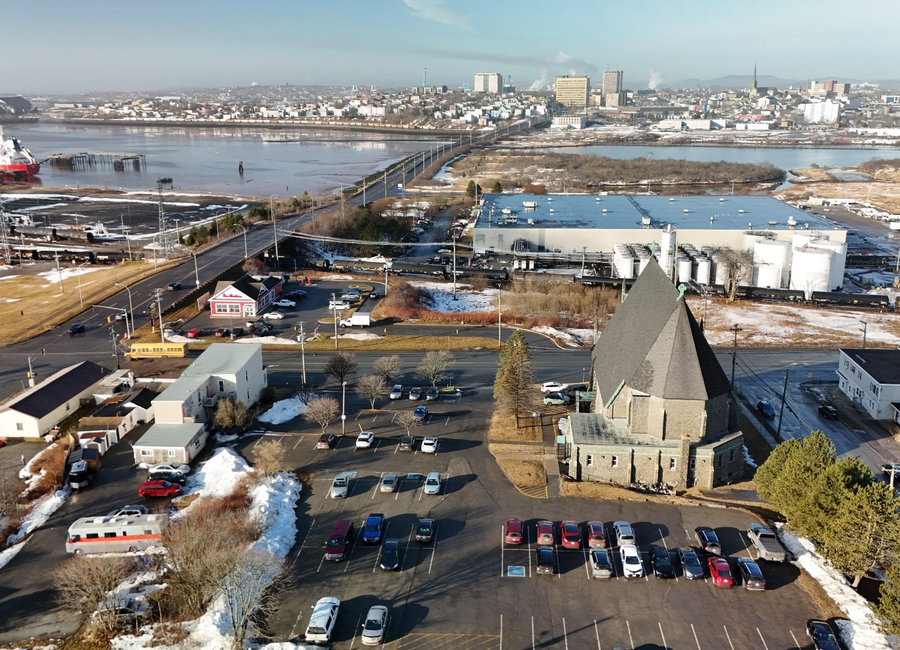
Properties along the Bay of Fundy coast offer stunning water views but come with specific inspection considerations. Exposure to salt air, coastal weather patterns, and proximity to tidal zones can affect building materials, mechanical systems, and foundations. I inspect homes throughout Saint John's coastal neighbourhoods with particular attention to weather-related wear, moisture management, and the long-term durability concerns that come with oceanfront living.
Buying in Saint John is not like buying anywhere else. You are not just buying a house. You are buying 100 years of history, past repairs, and past owners' quick fixes. My job is to sort the charm from the costly surprises. I know what the fog does to siding. I know what rock does to foundations. And I know what insurers will flag before you even sign the papers.
Still present in many pre-1950s homes. Can make obtaining insurance difficult and poses fire risks when covered by insulation.
The coastal climate and local soil types make foundation settling and basement moisture extremely common in older properties.
Homes built before 1960 often have galvanized pipes that corrode over time, causing low water pressure or leaks.
With multi-family units dominating the market (10,000+ apartment units citywide), fire separation and shared systems require careful evaluation.
If you're looking at one of Saint John's venerable heritage houses, I don't look for perfection. I look for bones. Before you fall in love with the high ceilings, I check the "Insurance Big Three": knob and tube wiring, cast-iron plumbing, and 60-amp fuse panels. A little dampness in a 150 year old rubble foundation is expected, but I make sure "damp" has not reached the stage of "structural movement".
You might love that massive maple tree in the front yard, but your sewer line might not. In older Saint John neighbourhoods, tree roots are notorious for crushing or clogging the original clay sewer pipes. My advice: if the house is over 50 years old, don't guess. Let's run a camera down the line. It's better to know about a blockage now than when you have a house full of guests.
Each Saint John neighbourhood has its own character and inspection considerations.
Victorian-era brick buildings, heritage multi-units, commercial-residential lofts.
Suburban single-family homes with larger yards, mid-century construction.
Post-war bungalows and newer multi-unit developments around Heather Way.
Newer multi-unit developments along Somerset Street and Millidge Avenue.
After 10 years inspecting every style and age of home in Greater Saint John, I know what to look for. If you're buying a hundred year old row house in Uptown Saint John, or a newly built condo on the East Side, I use thermal imaging and drones to find problems that are undetectable to the naked eye, including moisture in plastered walls and the sloped rooflines of Victorian houses.
See where I've tested for radon in Saint John and across southern New Brunswick on my radon map. It's a record of my own tests, not a rating of the area.
Whether you're buying in Uptown, the West Side, or anywhere in Greater Saint John, I'll give you the detailed, unbiased information you need to make a confident decision.
4.9 rating from 550+ reviews
Serving all of Greater Saint John, New Brunswick's largest city with housing from 1800s Loyalist-era heritage homes to modern subdivisions. Over 15 neighbourhoods covered. Population: 69,895 (Statistics Canada, 2021 Census).
Pre-1940
Historic downtown core with 1800s to early 1900s row houses and converted commercial buildings. Home inspections in Uptown Saint John frequently uncover aging stone foundations, original plaster walls, knob and tube wiring, and flat-roof membrane issues. Heritage character comes with heritage maintenance demands, and knowing what you're buying here matters. Properties with wood-burning fireplaces or inserts should also consider a WETT inspection.
Pre-1940
Established residential area near Irving Nature Park with a mix of Victorian-era homes and mid-century builds. Common findings on South End home inspections include older oil tanks, harbour-side moisture exposure in below-grade spaces, and aging roofing systems. Saltwater proximity accelerates wear on exterior components. Radon testing is recommended in all Southern NB homes given elevated regional levels.
Pre-1940
Historic neighbourhood near Reversing Falls and Carleton Martello Tower. Many pre-1940 wood-frame homes in the West Side sit on rubble-stone foundations with older electrical panels. Home inspections here also flag potential lead paint in heritage properties and moisture intrusion at foundation walls. Thermal imaging can be particularly valuable in older West Side homes for identifying hidden moisture and insulation gaps.
Mixed Era
Diverse community near Fort Howe with housing ranging from 1900s worker cottages to 1960s apartment buildings. North End home inspections commonly identify outdated plumbing, aging furnaces, and foundation settlement in older housing stock. Age and density of the neighbourhood means deferred maintenance is a recurring theme.
1970's-1990's
The McAllister Drive corridor features 1970s to 1990s suburban homes alongside newer infill development. East Side home inspections in Saint John typically focus on grading and drainage issues on clay-heavy soils, aging shingle roofs approaching end of service life, and deck structural integrity on rear additions.
1950's-1980's
Waterfront community on Kennebecasis Bay with 1950s to 1980s homes. Proximity to water makes moisture management and humidity control key inspection priorities in Millidgeville. Home inspections here also address aging septic systems on properties that pre-date municipal sewer connections.
2000's-2020's
One of Saint John's fastest-growing areas with newer 2000s to 2020s subdivisions. Home inspections in Forest Hills focus on construction quality in newer builds, lot grading around new foundations, and builder warranty items that buyers may not know to look for. New does not always mean problem-free.
1970's-1990's
Suburban area near Saint John's retail centres with 1970s to 1990s split-levels and bungalows. Lakewood home inspections consistently identify aging shingle roofs, original windows with failed seals, and basement moisture driven by the area's clay-heavy soils. Grading and drainage around the foundation is always a priority here.
Rural-Suburban
Rural-suburban area with larger lots near Loch Lomond lake. Many Loch Lomond properties rely on private well and septic systems, making those components a central part of any home inspection. Rural outbuilding assessments, water quality, and septic condition are all standard scope on inspections in this area.
1960's-1980's
Eastern residential community with a mix of 1960s to 1980s housing. Home inspections in Crescent Valley regularly turn up aging oil furnaces, original electrical panels at or past service life, and window and door weatherproofing failures. Heating system condition is a particular focus given the age of the housing stock.
Mixed Era
Western suburban community near Grand Bay with river-adjacent properties and converted seasonal cottage structures. Martinon home inspections address flood-zone proximity, foundation waterproofing, and the unique structural and system issues that come with cottages converted to year-round use.
Pre-1960
Historic Lancaster-area neighbourhood with early 1900s homes and post-war bungalows. Fairville home inspections commonly identify aging foundations, outdated wiring, and older plumbing systems in pre-1960 housing stock. This is an area where the gap between listed condition and actual condition can be significant.
1960's-1980's
Mixed commercial-residential corridor with 1960s to 1980s homes. Home inspections along the Rothesay Avenue corridor typically find aging roofs, original heating systems, and basement water intrusion on lower-lying lots. The mix of residential and commercial zoning history means some properties carry unusual modification histories.
1970's-2000's
Eastern suburban neighbourhood with 1970s to 2000s housing on sloped terrain. Glen Falls home inspections focus on lot drainage on grade changes, aging decks and exterior structures, and ventilation issues in finished basements. Slope means water management is always part of the conversation.
Newer Builds
Transition area toward the Kennebecasis Valley with newer subdivisions on the edge of Saint John. Home inspections in this area address construction quality in newer builds, well and septic systems on rural lots, and grading around new foundations. Buyers here are often first-time purchasers who benefit most from a thorough walkthrough.
If you are also exploring properties in these neighbouring communities, I inspect there too.
Many homes in these neighbourhoods were built before 1940 and may still have knob and tube wiring, cast iron plumbing, or 60-amp fuse panels. These are what insurance companies often call the "Big Three," and they can affect your ability to get coverage. A thorough home inspection identifies these systems so you know exactly what you are working with before you commit.
Yes. With over 10,000 apartment units in the city and roughly 70% of Uptown buildings classified as multi-family, this is a significant part of the Saint John market. A multi-unit inspection covers each unit along with shared systems like heating, electrical panels, fire separation, and common areas. See my pricing page for multi-unit rates.
Older areas like the North End, West Side, and South End often have original clay sewer pipes that are 80 to 100+ years old. Tree root intrusion is one of the most common issues I find, and it is not something a standard visual home inspection can catch. A sewer scope inspection lets me see the condition of the underground line before it becomes an expensive surprise.
Absolutely. A stone foundation row house in Uptown needs a very different approach than a 2010s build in Forest Hills. The South End has harbour moisture to consider. The East Side sits on clay soils that affect foundations. Knowing the neighbourhood shapes where I focus during the home inspection and what I flag in the report.
Thermal imaging is particularly valuable in older Saint John homes where moisture, insulation gaps, and electrical hot spots can hide behind plaster walls and heritage finishes. The infrared camera picks up temperature differences that point to issues you would not see with a standard visual inspection: water intrusion behind finished basement walls, missing insulation in attic cavities, and overheating electrical connections at panels.
Find My Package
Every home in Southern New Brunswick has its own story. Age, heating, layout, hidden systems all matter. Answer four quick questions and I will recommend the package that fits.
4.9 rating from 550+ reviews
Free to use. No email needed to see your recommendation.
From Uptown to the East Side, I inspect every era and every area of Saint John. Same-day reports, local expertise.