

C-NRPP Certified
Canadian National Radon Proficiency Program certified.
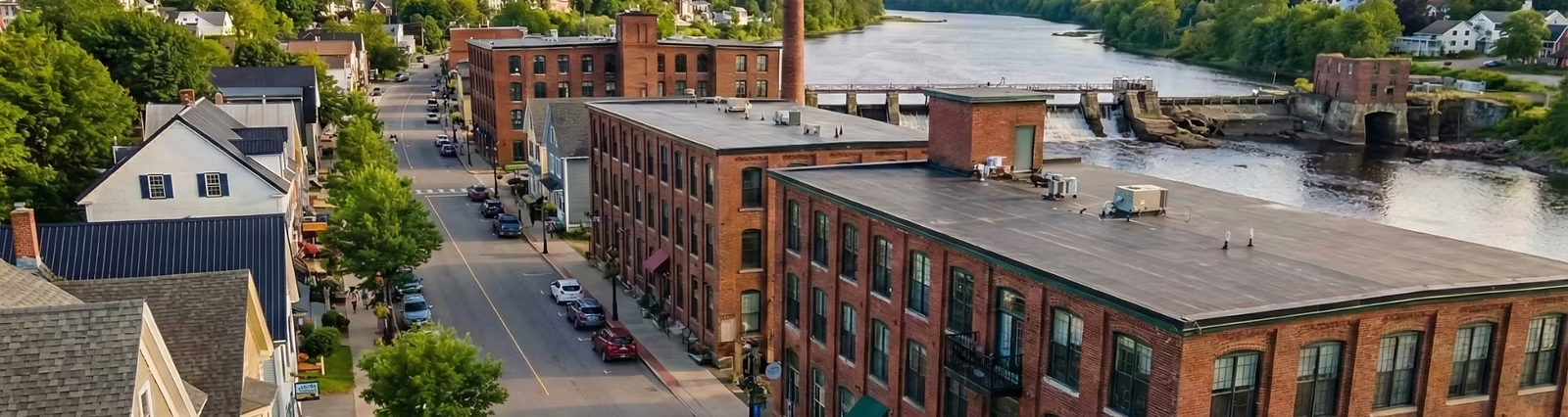
Service Areas · St. Stephen
Heritage homes, border-town properties, and rural acreages across St. Stephen and Charlotte County inspected with the detail they deserve.
Certified and Trusted in St. Stephen

Proud member of the St. Stephen Area Chamber of Commerce.

Registered Home Inspector, nationally recognised designation.

Wood Energy Technology Transfer certified inspector.
Canadian National Radon Proficiency Program certified.
St. Stephen sits right on the US border. Over a century of cross-border trade has given the town a small city feel. Most homes are Victorian or early 1900s wood-frame houses. They are more affordable than St. Andrews, but they tend to need more work.
The border town also has a strong rental market. Many large old houses have been split into apartments over the years. These conversions need careful inspection for fire safety, building code compliance, and proper separation between units.
From Milltown worker housing to downtown heritage homes and border-town investment properties, here is a look at some of the homes I have recently inspected in St. Stephen.
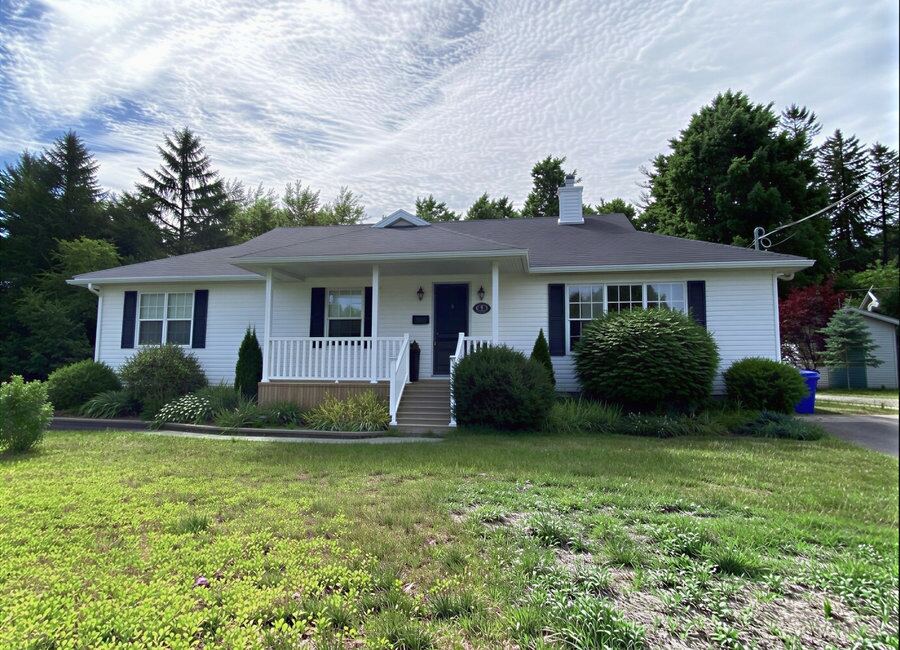
I conduct thorough home inspections in St. Stephen and throughout Charlotte County. This single storey bungalow represents a common home style in the area, often featuring crawl space or slab foundations, older HVAC systems, and roof structures that require careful assessment. I inspect homes of all ages and styles in St. Stephen, from established neighbourhoods to newer developments, providing detailed documentation of structural, mechanical, and electrical systems.
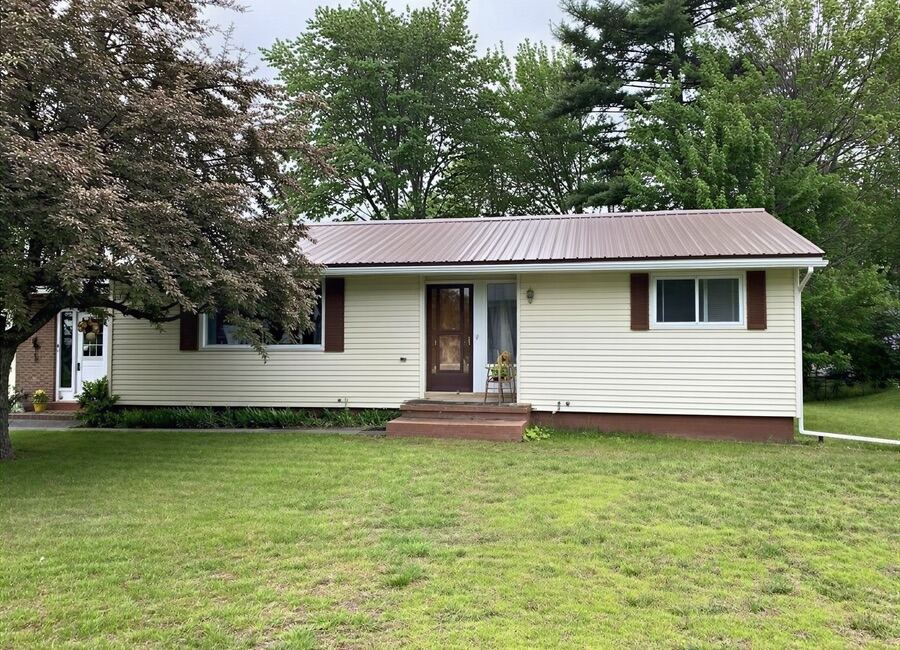
Metal roofing has become increasingly common in St. Stephen and Charlotte County due to its durability and longevity. I inspect metal roof installations for proper fastener placement, panel overlap, flashing details, and ventilation. This bungalow-style home with metal roofing is typical of properties throughout St. Stephen, and I conduct complete inspections of all roofing materials and home styles in the area.
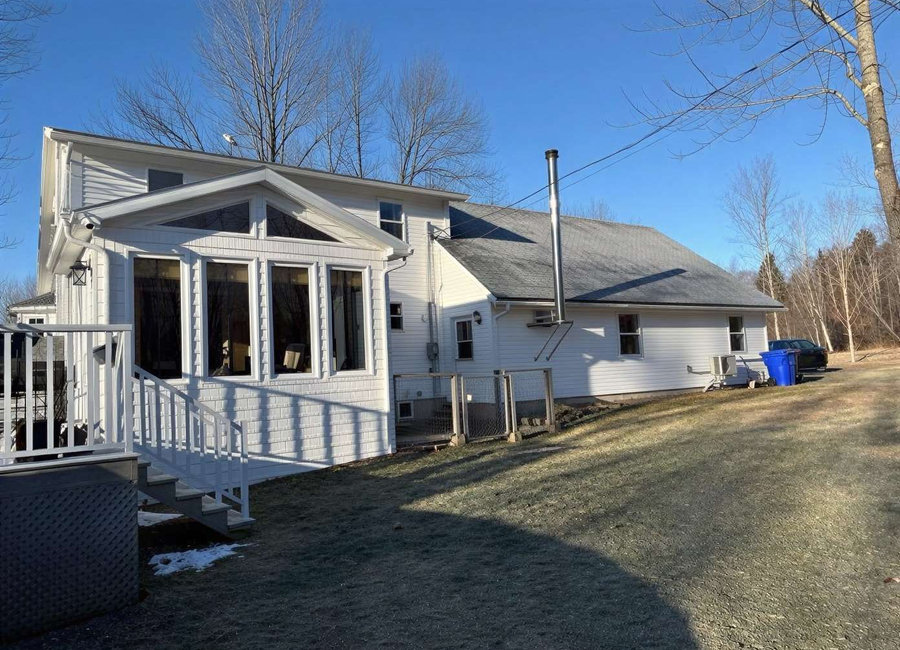
Many homes in St. Stephen have been modified or expanded over the years with additions, sunrooms, or converted spaces. I pay particular attention to how additions connect to original structures, examining building envelope transitions, foundation differences, and mechanical system integration. These modifications can present unique inspection considerations, and I document both the original home and any additions to help you understand the complete property before purchase.
St. Stephen's identity is shaped by three forces that define every home inspection: its border-town relationship with Calais, Maine, its industrial heritage from the lumber, shipbuilding, and cotton mill eras, and its documented vulnerability to flooding from the tidal St. Croix River. As Canada's Chocolate Town and the retail centre of Charlotte County, St. Stephen has a housing stock that tells the story of working communities built around industry, from the modest mill worker homes of Milltown to the heritage merchant houses of the downtown core.
Most homes in St. Stephen predate 1960, which means the majority of the housing stock is over 65 years old. The construction reflects the eras that built this town: lumber and shipbuilding wealth from the mid-1800s, cotton mill worker housing from the 1880s through the 1950s, and later suburban development. Each era brings its own inspection challenges, and the St. Croix River's flood history adds a layer of risk that every buyer needs to understand.
St. Stephen has one of the most documented flood histories in New Brunswick. The raised terrain surrounding the town funnels rainwater into the valley and the tidal St. Croix River, creating conditions for severe flooding during heavy rain events. Major floods struck in 1923 (washing out every bridge on the river), 1961 (collapsing 50 feet of the international bridge), 2010 (triggering evacuations, dramatic rescues, and $13 million in local damages), and 2013 (flooding basements across town). After the 2010 flood, the province bought out 22 homeowners whose properties were deemed uninhabitable.
I inspect St. Stephen properties with flood awareness built into every assessment. For properties near the St. Croix River, its tributaries (especially Billy Weston Brook), or low-lying areas of town, I look for evidence of previous water intrusion: staining on foundation walls and floor joists, repaired or replaced basement finishes that don't match surrounding materials, rust on electrical panels and mechanical equipment, mould behind finished walls, and foundation damage from hydrostatic pressure. If a property has been through one of St. Stephen's documented floods, the signs are usually there if you know what to look for.
The Milltown area, where the St. Croix Cotton Mill once employed up to 1,200 workers, contains homes that housed those workers and their families for over a century. These modest wood-frame houses from the 1860s through the 1950s are practical, well-built for their era, but often show the accumulated effects of 80 to 160 years of use: undersized electrical systems never upgraded for modern loads, original galvanized plumbing approaching failure, foundations that have settled on river-adjacent terrain, and heating systems that may have been converted multiple times. Properties near the former cotton mill site (demolished 1972) may warrant environmental assessment for historical industrial contamination. Downtown heritage properties with upper-floor residential conversion need evaluation for fire separation, independent egress, and building code compliance.
Inspecting homes in St. Stephen means working with older housing stock shaped by industry, flood history, and a strong rental market. Here is what I see most often.
The most common finding in St. Stephen inspections. Aging roofing, porous brickwork, and outdated systems are typical in the older housing stock.
Many Victorian and early 20th century homes still have original electrical systems that need upgrading for safety and insurability.
Large older homes converted to apartments require inspection of fire separation, egress, and whether conversions meet current safety standards.
Wood heat is common in rural Charlotte County. Insurance companies typically require WETT inspections for wood burning systems.
Many properties in rural Charlotte County rely on private wells. Due to local geological conditions, arsenic and uranium testing is a critical recommendation for buyers in this specific zone. I can advise on appropriate water testing as part of your due diligence.
Rental housing in St. Stephen is appealing to investors, but multi-unit buildings need more than the usual home inspection. I check fire separation and egress in both individual units and common areas, and I investigate heating, electrical panels, plumbing, and whether conversion renovations followed codes. Knowing these things before you buy helps you budget properly.
Read reviews from clients I've helped in St. Stephen.
Relaxed and Confident
"Jonathan was responsive, professional and thorough. He has depth of knowledge and an easy-going, approachable style that made us feel relaxed and confident at a very stressful time during the purchase of a new home."
An Absolute Pleasure
"Jonathan hits all the marks! He is very thorough, friendly, professional and honest."
Whether you're buying a character home for your family or evaluating a multi-unit investment property, I'll provide the thorough inspection and honest assessment your purchase deserves.
4.9 rating from 550+ reviews
St. Stephen is the retail and service centre of Charlotte County, a border town shaped by its relationship with Calais, Maine and built on the wealth of the lumber, shipbuilding, and cotton mill industries. The former Town of St. Stephen merged with seven surrounding local service districts on January 1, 2023 to form the Municipal District of St. Stephen. Population: approximately 8,100 (2021 Census). From the heritage downtown core to the industrial-era homes of Milltown to the rural acreages of Old Ridge and surrounding Charlotte County, every era of construction is represented here.
Heritage (1870's onward)
The walkable downtown core features heritage storefronts with character apartments above, surrounded by residential streets lined with mature trees and homes built during St. Stephen's prosperous merchant era. Heritage features I encounter regularly include wood clapboard siding, stained glass entry windows, handcrafted wooden windows, hardwood staircases, solid pine doors with wrought iron hardware, and formal rooms with period trim and mouldings. These homes have real architectural character, but they also commonly present with original foundations showing mortar deterioration, electrical panels that predate modern load requirements, and plumbing systems that mix multiple eras of materials. The downtown core is on municipal water and sewer, which simplifies the infrastructure evaluation. My thermal imaging inspection is especially useful for heritage homes, revealing insulation gaps and moisture paths behind plaster walls without any destructive investigation.
Industrial Era (1860's onward)
Milltown's history runs from its founding as "Christie Town" in 1760 through the lumber boom, shipbuilding era, and the rise and fall of the St. Croix Cotton Mill (1882 to 1957). The second largest cotton mill in Canada at its peak, the mill shaped every aspect of Milltown's housing stock. Worker homes still standing today are typically smaller wood-frame structures built for practicality rather than ornamentation. Home inspections in Milltown focus on the fundamentals: foundation condition on terrain that slopes toward the river, electrical systems that may be original to the early 1900s, roof condition under constant river valley weather exposure, and whether any additions or modifications were done with proper permits and to code. The proximity to the St. Croix River means flooding history is always a question I investigate.
Rural
Old Ridge, north of the town core along Route 3, and The Ledge, between St. Stephen and St. Andrews along the St. Croix River, represent the rural side of the Municipal District of St. Stephen. Properties here are on larger lots with private wells and septic systems. Wood heat is common, making WETT inspections an important part of the inspection process. Most NB insurance companies require a WETT certificate for properties with wood stoves, pellet stoves, or fireplaces. Water testing is essential for every purchase on a private well, and the granite bedrock in Charlotte County means testing for naturally occurring arsenic and uranium is advisable alongside standard coliform and hardness analysis. Septic system evaluation covers age, type, pump-out history, and drain field condition.
Rural Charlotte County
The 2023 municipal expansion brought communities like Basswood Ridge, DeWolfe, Oak Hill, Scotch Ridge, and St. David Parish into the Municipal District of St. Stephen. St. David Parish specifically functions as a bedroom community for workers in St. Stephen, Calais, and St. Andrews. These rural properties share the same inspection profile: private wells, septic systems, wood heat, and older construction requiring careful evaluation of foundations, electrical, plumbing, and insulation. The varied glacial soils in Charlotte County, ranging from compact lodgment tills with poor drainage to coarse marine deposits with low moisture-holding capacity, affect both well performance and septic system design.
Charlotte County residents were specifically urged to test their homes for radon in October 2025. New Brunswick has one of the highest radon risk profiles in Canada, with approximately 1 in 4 homes testing above Health Canada's 200 Bq/m³ guideline. The granite and shale bedrock underlying Charlotte County produces the uranium that generates radon gas. Testing is simple, non-invasive, and could save your life. I offer radon testing as a standalone service or combined with your home inspection.
St. Stephen is the gateway to Charlotte County. If you're exploring properties across the region, I've got you covered.
St. Stephen has a strong rental market driven by its border-town economy. Many older homes have been converted into multi-unit rentals over the years, and the quality of those conversions varies. A multi-unit inspection covers fire separation between units, egress from each unit, the condition of shared heating and electrical systems, and whether the conversion was done to code. This information is critical for both your insurance and your investment.
Yes, particularly along the St. Croix River and Billy Weston Brook. St. Stephen has a documented history of significant floods, including events in 1923, 1961, 2010, and 2013. The 2010 flood caused $13 million in damages and resulted in 22 homeowners being bought out. During the home inspection, I look for evidence of past water damage, foundation compromise, and drainage patterns on properties in low-lying areas.
Charlotte County residents were specifically urged to test for radon in October 2025 due to the region's granite and shale bedrock, which are natural sources of radon gas. About 1 in 4 New Brunswick homes test above Health Canada's guideline. Radon is the second leading cause of lung cancer after smoking, and the only way to know your levels is to test. I am C-NRPP certified and can add radon testing to any home inspection.
Milltown's housing stock largely dates from the 1860s through 1950s, built during the St. Croix Cotton Mill era when the mill employed up to 1,200 workers. These homes were built modestly and many have had decades of incremental updates. Common home inspection findings include knob and tube wiring, aging foundations, outdated heating systems, and plumbing that has been patched over multiple generations. I also pay attention to proximity to the former mill site, where environmental contamination has been a concern.
For properties on private wells, yes. Charlotte County wells can have elevated arsenic and uranium levels due to the local granite and shale bedrock. Properties on municipal water do not need this, but if you are looking at a home in Old Ridge, The Ledge, or any of the surrounding rural communities, water testing is a smart addition to your home inspection.
Downtown St. Stephen has a concentration of homes from the 1870s onward, many with beautiful character but also the maintenance demands that come with 150 years of use. Deferred maintenance is the most common finding, along with knob and tube wiring, aging foundations, and heating systems that have been converted from coal to oil to electric over the decades. The home inspection gives you a full picture of where the home stands so you can budget and plan with confidence.
Find My Package
Every home in Southern New Brunswick has its own story. Age, heating, layout, hidden systems all matter. Answer four quick questions and I will recommend the package that fits.
4.9 rating from 550+ reviews
Free to use. No email needed to see your recommendation.
From downtown heritage homes to Milltown worker housing and rural acreages, St. Stephen expertise and same-day reports.