
C-NRPP Certified
Canadian National Radon Proficiency Program certified.
Service Areas · St. Martins
Bay of Fundy properties inspected for coastal exposure, heritage construction, and seasonal readiness by a certified local inspector.
Certified and Trusted in St. Martins

Proud member of the Saint John Regional Chamber of Commerce.

Registered Home Inspector, nationally recognised designation.

Wood Energy Technology Transfer certified inspector.
Canadian National Radon Proficiency Program certified.
The Fundy coast from St. Martins to Alma is some of the most dramatic land in New Brunswick. Most properties here are rural or seasonal. You will find off-grid camps, coastal cottages, and tourism-oriented lots near the Fundy Trail Parkway.
Buying in the Fundy area is as much about lifestyle as it is about the building. Seasonal cottages, well systems, wood stoves, and salt air exposure all need a trained eye. I inspect recreational properties regularly and know what to look for.
From shipbuilding-era homes in the village to seasonal properties along the Fundy coast, here is a look at some of the homes I have recently inspected in the St. Martins area.
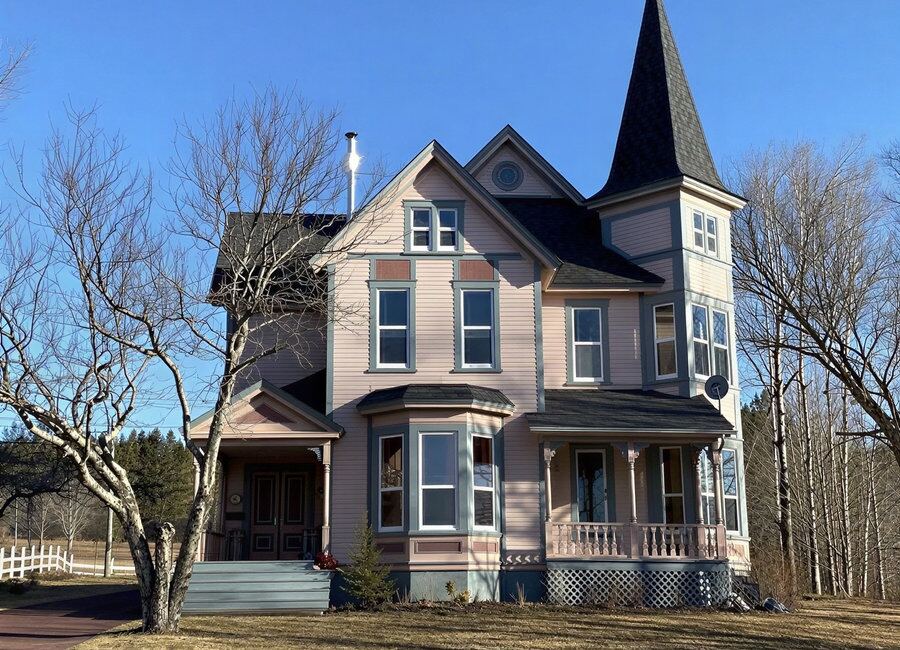
I inspect heritage and character homes throughout St. Martins, including Victorian-era properties with unique architectural features. Older homes require thorough assessment of original building systems, foundation types common to the period, and modifications made over the decades. I document both the distinctive character elements and the practical concerns these homes present, from roofing complexity to updated mechanical systems integration.
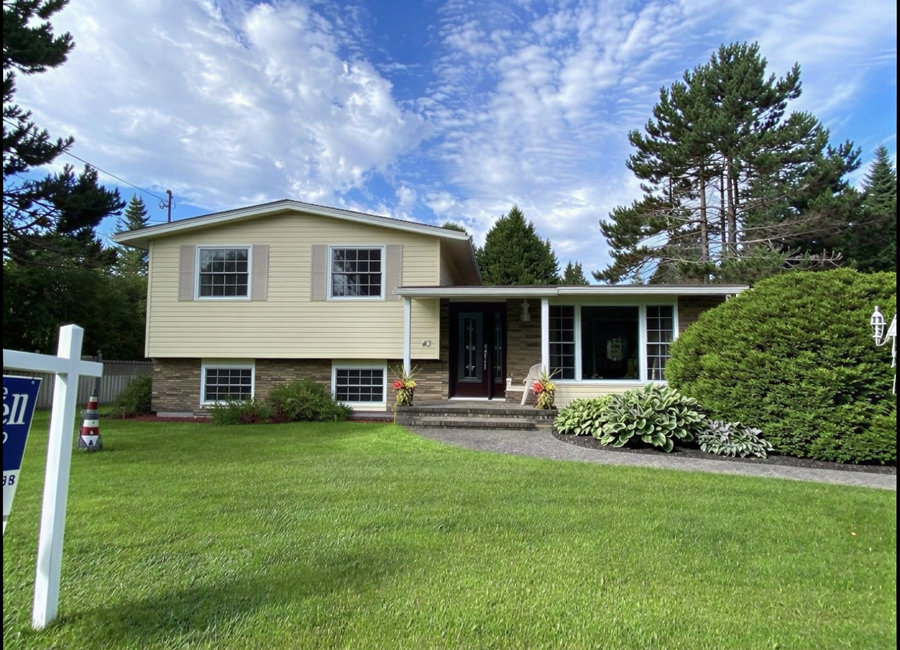
I conduct home inspections throughout St. Martins and the Fundy coast, including raised ranch and split-level homes built from the 1960s through 1980s. These properties often feature crawl space or partial basement foundations, multiple roof planes, and HVAC systems that require careful assessment. St. Martins homes may be exposed to coastal weather, and I pay particular attention to moisture management and building envelope performance.
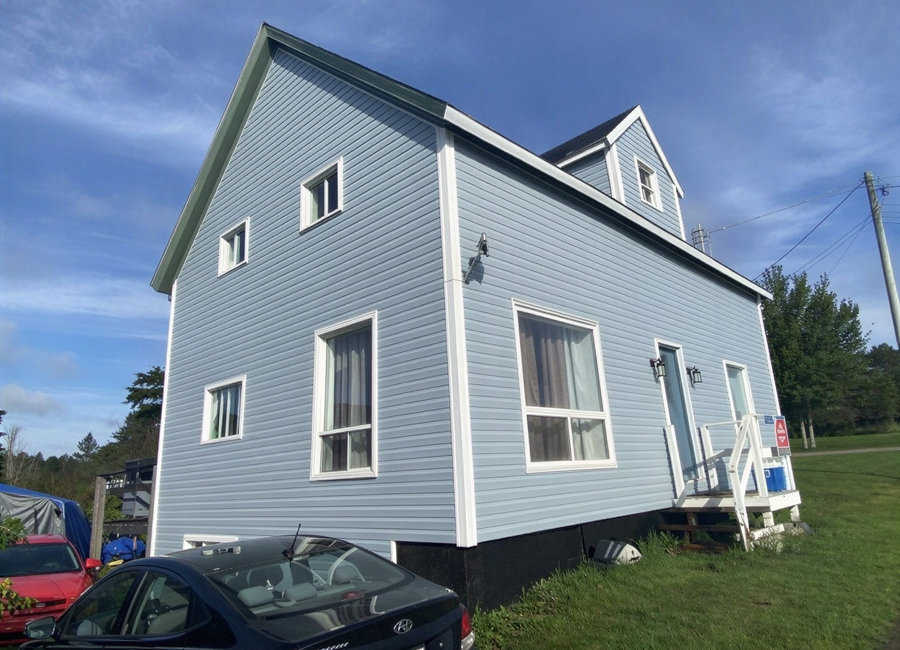
Many homes in St. Martins have undergone significant renovations or restorations, and I inspect these properties with attention to both new construction quality and how updates integrate with original structures. Coastal exposure in St. Martins requires careful evaluation of weather-resistant materials and construction practices designed to handle salt air and Bay of Fundy weather patterns.
St. Martins sits at the intersection of three forces that shape every home inspection I perform here: 240 years of building history, the most powerful tides on Earth, and a rural setting where every property depends on its own water and waste systems.
The village was once the second-largest producer of wooden sailing vessels in New Brunswick. Between 1803 and 1900, over 500 ships were launched from a dozen-plus shipyards along the harbour, coves, and rivers. Wealthy ship captains and builders constructed grand homes incorporating architectural ideas from their global travels. These heritage properties are architecturally remarkable, but they demand an inspector who understands what 150+ years of Bay of Fundy exposure does to a building.
Nearly 45% of St. Martins' dwellings predate 1960. That means almost half the housing stock is over 65 years old, and some homes date to the early 1800s. Original post-and-beam framing, stone and rubble foundations, balloon framing from the late 1800s, and wood clapboard construction are all part of the standard inspection here.
The Bay of Fundy's tides rise up to 50 feet twice daily at St. Martins, and that constant cycle of salt water, spray, and humid ocean air affects every exterior surface. I see accelerated corrosion on metal roofing components, flashing, and fasteners. Wood siding, trim, and window frames deteriorate faster here than anywhere else in my service area. HVAC equipment, particularly outdoor condenser coils, corrodes at rates that can cut equipment lifespan in half. My thermal imaging inspection identifies moisture infiltration paths that are not visible to the naked eye.
Many Fundy properties were built as summer cottages. Converting to year-round use requires proper insulation, frost-depth foundations, and winterised plumbing.
Remote properties may rely on solar, generators, or other alternative power. Water may come from springs, shallow wells, or cisterns, each with different considerations.
Properties near the Bay of Fundy face salt air, wind, and moisture that accelerate wear on roofing, siding, and exterior components.
Wood heat is common in Fundy cottages and camps. Many insurance companies require WETT inspection for wood-burning systems.
In the Fundy area, short-term rentals, B&Bs, and tourism-oriented properties come with extra considerations such as commercial-grade inspections, accessibility concerns, and systems (water and septic) sized for more than normal occupancy. Whether you're buying a private lodge or a vacation rental, I'll offer you advice on the present property condition and share what it will take to achieve your goals.
Read reviews from clients I've helped in the Fundy area.
Thorough and Detailed
"Jonathan was incredibly thorough and detailed. He took the time to explain everything he found and what it meant for the property. Highly recommend for any home inspection along the Fundy coast."
Whether you're buying a coastal cottage, a remote retreat, or a tourism property, I'll help you understand exactly what you're getting and what the coastal lifestyle means for long-term ownership.
4.9 rating from 550+ reviews
St. Martins sits where the Bay of Fundy meets the southern edge of Kings County. The former Village of St. Martins merged with Fairfield, parts of Simonds, and surrounding local service districts on January 1, 2023 to form the Village of Fundy-St. Martins. Population: approximately 5,200.
Shipbuilding Era (1800's)
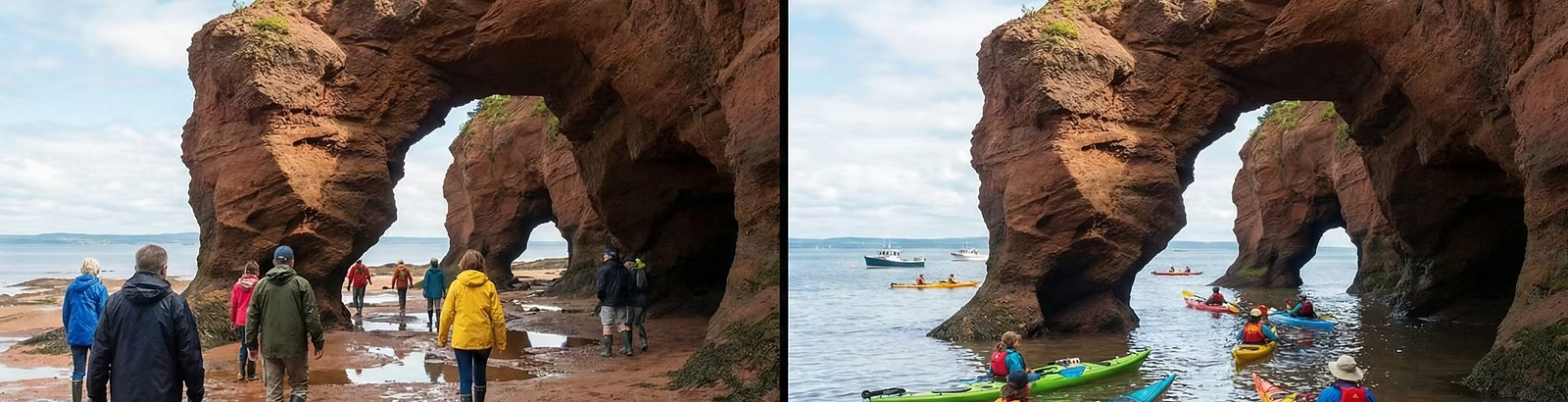
The harbour, sea caves, two covered bridges, and Quaco Head Lighthouse surround a village core where ship captains built their finest homes. Main Street and surrounding residential streets showcase shipbuilding-era craftsmanship, with large wood-frame homes featuring period details. Inspections focus on heritage construction challenges: original foundations settled over 150+ years, electrical systems predating modern standards, plumbing converted from originals, and roofing facing direct Bay of Fundy exposure.
Coastal
West of the village core, these communities face the full force of Bay of Fundy weather. The Quaco Head Lighthouse (1855) stands on West Quaco Road. Tynemouth Creek has its own covered bridge (1927) and features properties on tidal estuaries where salt water influence extends well inland. Homes need careful evaluation for coastal erosion risk, foundation exposure to tidal moisture, and exterior material condition. Private wells and septic universal; water testing essential.
Rural
Moving inland from the coast, the character shifts from maritime village to rural Kings County. Properties on larger lots with wooded settings, A-frame chalets, log homes, and working farmsteads are common. Wood heat is the norm rather than exception, making WETT inspections particularly relevant. Most NB insurance companies require a WETT certificate. Private wells and septic universal; variable glacial soils affect both water quality and septic performance.
New Brunswick's radon risk profile is among the highest in Canada, with approximately 1 in 4 homes testing above Health Canada's guideline. The geology underlying St. Martins, including the 250-million-year-old sandstone formations visible at the sea caves, contributes to radon production. Every home should be tested regardless of age.
St. Martins is approximately 45 minutes from Saint John via Route 111. I also serve the broader Fundy coast and Kings County region.
Salt air and coastal moisture are the primary factors. The Bay of Fundy's 50-foot tides create a constant cycle of salt-laden moisture exposure that accelerates corrosion on metal components, shortens HVAC lifespan, and can drive moisture into crawlspaces and wall cavities. Thermal imaging is especially valuable in St. Martins because it lets me detect moisture patterns that are not visible on the surface.
Many properties in the St. Martins area were originally built as seasonal cottages. If the home has been converted to year-round use, I assess the quality of that conversion during the home inspection, including insulation depth, foundation frost protection, whether the plumbing is winterised, and electrical capacity. If it is still a seasonal property, I look at whether it has been properly closed up and what it would take to use it year-round.
Yes. Some properties along the Fundy coast run on solar panels, generators, springs, or cisterns rather than municipal or standard well services. I evaluate these systems as part of the home inspection so you understand their condition, capacity, and any maintenance or upgrades they may need.
St. Martins launched over 500 ships between 1803 and 1900, and the wealthy captains who built homes during that era often used high-quality materials and imported architectural details. Many of these homes have held up remarkably well, but after 120+ years they can have foundation settling, outdated systems, and moisture concerns. Each one needs to be evaluated on its own merits.
New Brunswick's radon risk profile is among the highest in Canada, with approximately 1 in 4 homes testing above Health Canada's guideline. The geology underlying St. Martins, including the 250-million-year-old sandstone formations visible at the sea caves, contributes to radon production. Every home should be tested regardless of age. I offer radon testing as a standalone service or paired with your home inspection.
Find My Package
Every home in Southern New Brunswick has its own story. Age, heating, layout, hidden systems all matter. Answer four quick questions and I will recommend the package that fits.
4.9 rating from 550+ reviews
Free to use. No email needed to see your recommendation.
Coastal cottages, shipbuilding heritage, and off-grid properties. Same-day reports across the Fundy coast.