

St. Andrews Chamber
Proud member of the St. Andrews Chamber of Commerce.
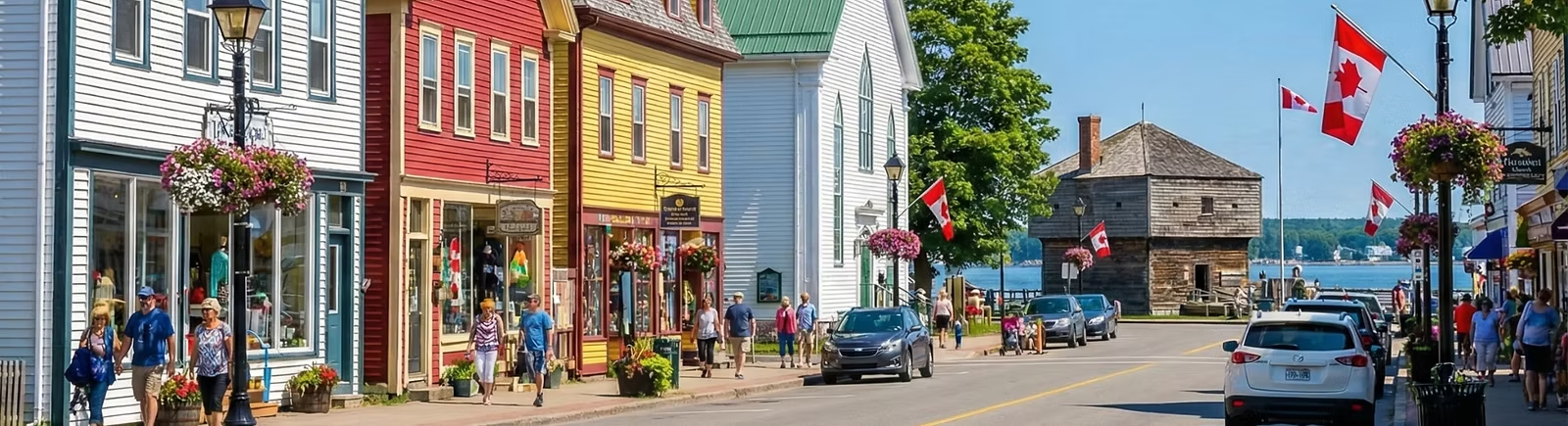
Service Areas · St. Andrews
Heritage homes, coastal properties, and everything in between. Expert inspections across St. Andrews by the Sea and Charlotte County.
Certified and Trusted in St. Andrews
Proud member of the St. Andrews Chamber of Commerce.

Registered Home Inspector, nationally recognised designation.

Wood Energy Technology Transfer certified inspector.

Canadian National Radon Proficiency Program certified.
St. Andrews by the Sea is unlike any other community in my service area. Founded in 1783 by United Empire Loyalists who literally disassembled their frame houses in Castine, Maine, loaded them onto barges, and reassembled them on the south-facing hillside overlooking Passamaquoddy Bay, this town has been building, preserving, and reinventing its homes for nearly 250 years. With more than 140 heritage buildings, five National Historic Sites, and a heritage conservation bylaw that passed in December 2024, St. Andrews treats its built environment with the care it deserves, and so do I.
The housing stock spans three distinct eras: Loyalist-era New England-style homes from the 1780s onward, prosperous seaport merchant houses from the early-to-mid 1800s, and ornate summer cottages from the resort era of the late 1800s and early 1900s, when CPR president Sir William Van Horne drew wealthy Montrealers and Bostonians to what became Canada's first seaside resort. Today, approximately 40% of St. Andrews' residences predate 1960, and about 16% of dwellings sit vacant for part of the year.
From Loyalist-era homes in the historic district to vacation properties along the Passamaquoddy Bay, here is a look at some of the properties I have recently inspected in St. Andrews.
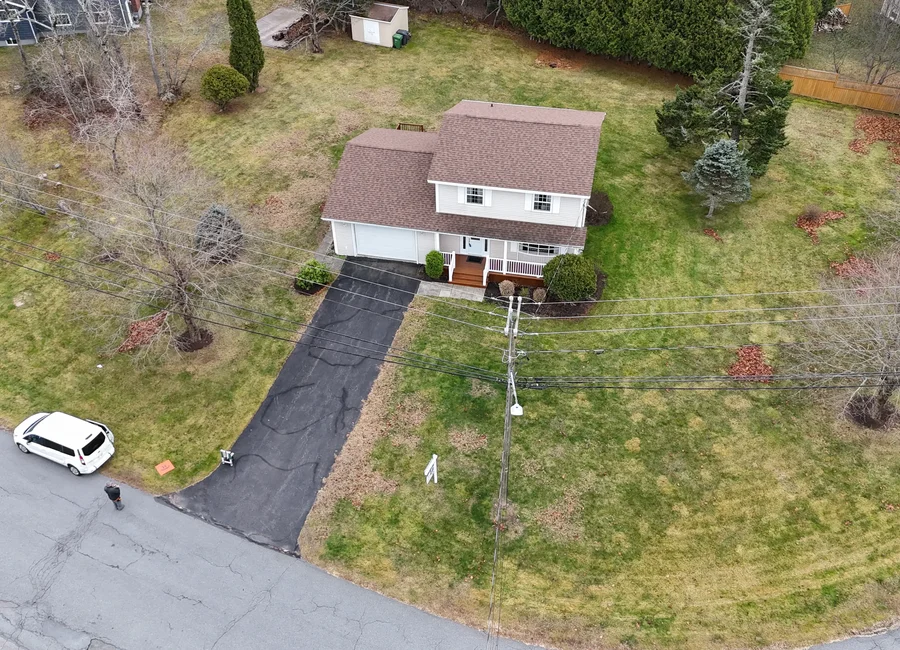
I use drone technology for every home inspection in St. Andrews and throughout Charlotte County. Aerial inspections provide detailed overhead documentation of roof conditions, property layout, and site drainage patterns without the safety risks of walking on potentially compromised roof surfaces. Multiple roof planes, valleys, and chimney penetrations benefit from comprehensive drone documentation.
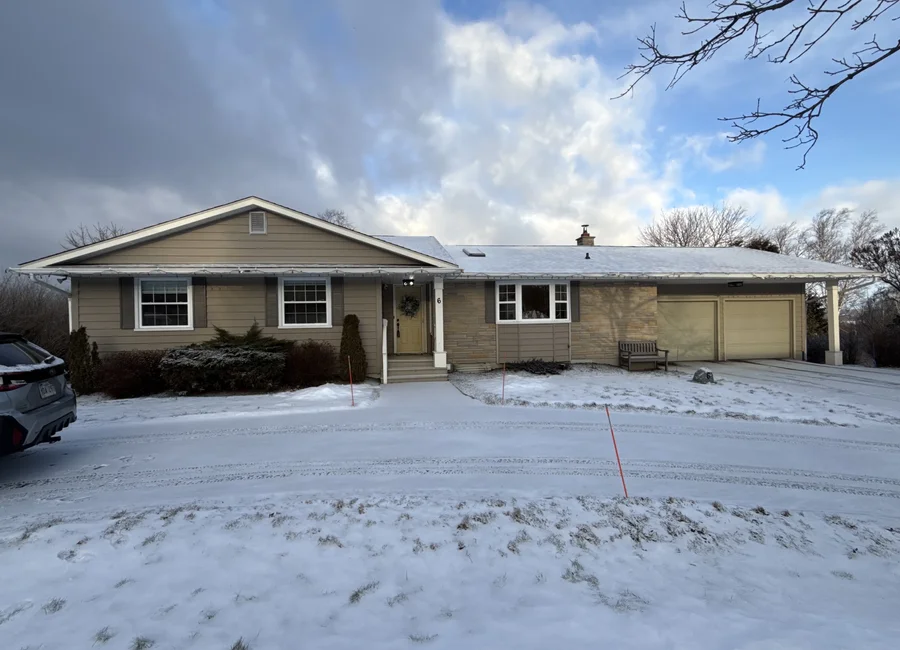
I conduct home inspections year-round in St. Andrews, including during winter months when certain conditions become more visible. Cold weather inspections reveal heat loss patterns, ice damming potential, and how homes handle freeze-thaw cycles. I assess all accessible components and systems regardless of season, adapting my approach to work safely in New Brunswick coastal weather conditions.
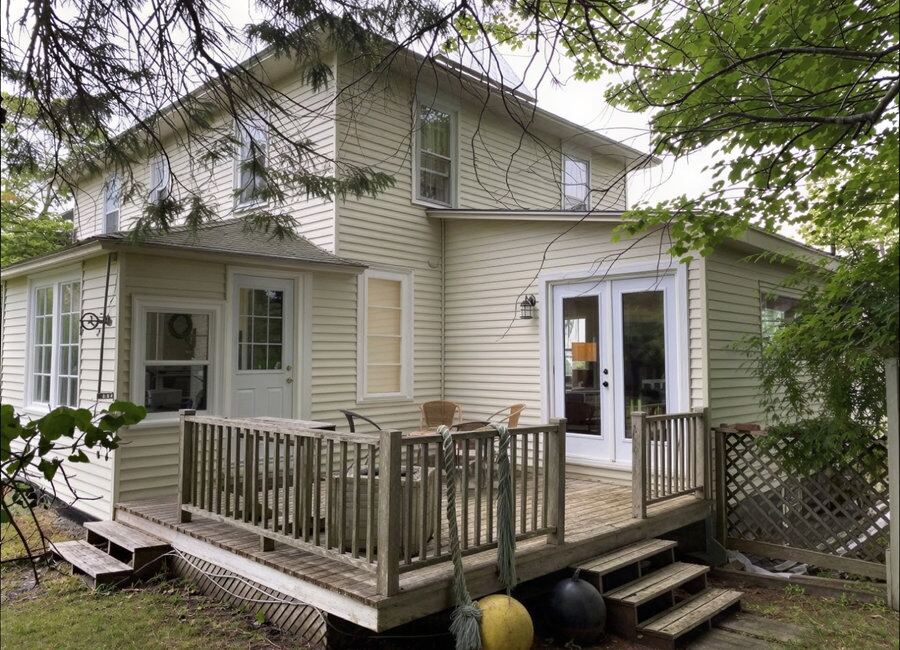
I inspect homes throughout St. Andrews, from historic properties in the town centre to residential neighbourhoods and waterfront areas. I pay particular attention to how decks and additions connect to the main structure, examining building envelope transitions, structural support, and potential moisture entry points. St. Andrews homes often require assessment of coastal exposure effects.
Inspecting homes in St. Andrews requires a different mindset than inspecting in suburban communities. The combination of heritage construction, relentless coastal exposure, seasonal use patterns, and complex geology creates challenges that I've learned to identify through years of experience in Charlotte County.
Many of the oldest homes rest on fieldstone foundations laid in the late 1700s and early 1800s. Above the foundation, heritage homes may feature post-and-beam construction with original wooden structural members that need assessment for rot, insect damage, and modifications made across multiple renovation eras.
St. Andrews sits on a peninsula with three sides exposed to Passamaquoddy Bay and the Bay of Fundy. Tides exceed 8 metres twice daily. I see accelerated corrosion on metal roofing, flashing, and fasteners; deteriorating exterior wood; and HVAC condenser coils corroding at rates that shorten equipment lifespan.
In January 2024, storm surge caused flooding, erosion, and road damage across St. Andrews. Multi-million-dollar waterfront homes were surrounded by water in what the mayor described as 'unprecedented' magnitude. New Brunswick currently has no provincial regulations requiring flood risk assessment prior to building or purchasing.
Charlotte County is in one of Canada's highest-risk zones for radon gas. Province-wide, approximately 25% of New Brunswick homes test above Health Canada's 200 Bq/m³ guideline. Charlotte County residents were specifically urged to test their homes in October 2025.
Heritage homes in St. Andrews present a unique inspection challenge: balancing the preservation of irreplaceable character with the realities of modern living standards. A home built in the 1780s was designed for oil lamps, hand-pumped water, and wood heat. Today, that same home needs to support 200-amp electrical service, modern plumbing, forced-air or heat pump heating, and insulation standards the original builders never imagined. If you're purchasing a heritage property, don't let the charm of original fireplaces and wide-plank floors distract you from the fundamentals: a solid foundation, safe electrical, functional plumbing, and a roof that keeps the Bay of Fundy weather outside where it belongs.
Read reviews from clients I've helped in St. Andrews.
Relaxed and Confident
"Jonathan made what could have been a stressful process feel relaxed and straightforward. He walked us through every finding and we left feeling confident in our decision."
The Most Detailed We've Seen
"We have bought and sold several homes and this was the most detailed inspection report we have ever received. Drone footage, thermal images, everything documented clearly."
From Loyalist-era heritage homes on Water Street to modern waterfront builds in Chamcook, from converted resort cottages on Bar Road to rural farmsteads in Bayside, I bring 10+ years of experience and the technology to inspect properties that span nearly 250 years of New Brunswick construction history.
4.9 rating from 550+ reviews
St. Andrews and its recently annexed neighbours, Chamcook and Bayside, offer a remarkable range of properties, from Loyalist-era heritage homes on the original 1783 town plat to modern waterfront builds overlooking Passamaquoddy Bay. Population: ~3,000 including annexed areas.
Loyalist Era (1783+)
The original 72-block Town Plat is a National Historic District. Water Street features buildings from the town's founding through the prosperous seaport era. Home inspections deal with construction spanning nearly 250 years: original Loyalist saltbox homes, elegant merchant homes, occasional brick buildings from the mid-1800s. I find fieldstone foundations, knob and tube wiring concealed behind plaster, and heating systems converted multiple times. On municipal water and sewer. Properties may be subject to the heritage conservation bylaw on street-facing facades.
Resort Era (1890's-1920's)
The resort era at its finest. This is where Montreal architect Edward Maxwell built Tillietudlem in 1899. Properties are among the most exclusive in Charlotte County, with premium waterfront positions. Resort-era construction brings specific challenges: ornate rooflines with steep pitches, wide eaves, dormers; original stone and masonry exposed to over a century of coastal weather; structures designed primarily for summer use and later adapted for year-round occupation. The road to Ministers Island was damaged in the January 2024 storms.
Mixed Era
Annexed into St. Andrews in January 2023. Sits between Chamcook Lake and Passamaquoddy Bay. Historically a fishing, farming, and shipbuilding settlement. Today a mix of established older homes and new waterfront developments. Properties are typically on private wells and septic rather than municipal services. I recommend water testing for every Chamcook purchase, particularly for naturally occurring arsenic and uranium associated with the granite bedrock.
Rural
Also annexed into St. Andrews in 2023. Sits along Route 127 on the north bank of the Saint Croix River. Retains its rural character with older farmsteads, some newer rural homes, and the Bayside Industrial Port. Properties on well water and septic. WETT inspections for wood-burning stoves and fireplaces are particularly relevant. Bayside homes built before 1960 may feature original foundations, outdated electrical, and minimal insulation.
Rural-Waterfront
Communities like Bocabec, along the shores of Bocabec Cove on Passamaquoddy Bay, offer waterfront retreats and rural properties on larger lots. Properties range from modest cottages to luxury waterfront estates. All on private wells and septic. Wood heat is common across rural Charlotte County, making a WETT inspection advisable for any property with a wood stove, pellet stove, or fireplace.
With approximately 16% of St. Andrews dwellings sitting vacant for part of the year, seasonal properties deserve special inspection attention. Homes unoccupied through New Brunswick winters face specific risks: frozen and burst pipes if winterisation is inadequate, ice damming on roofs with poor insulation and ventilation, moisture buildup in sealed spaces, and pest intrusion during vacant months. If you're purchasing a seasonal property with plans to use it year-round, I evaluate the winterisation systems in place and identify what upgrades would be needed for comfortable full-time occupancy.
St. Andrews is part of my Charlotte County service coverage. If you're exploring properties across the region, I've got you covered.
St. Andrews adopted a heritage conservation bylaw in December 2024 that regulates changes to street-facing facades in the historic district. While the bylaw focuses on exterior appearance rather than building systems, it is helpful to know the condition of heritage features before you buy. The home inspection gives you a clear picture of what may need attention and where heritage considerations could affect how repairs or renovations are approached.
Some homes in the town core date back to the 1780s, with a handful that were originally disassembled in Castine, Maine and reassembled here. These properties may have fieldstone foundations, post-and-beam construction, and plaster and lath walls. The home inspection focuses on how well the home has been maintained and updated across 200+ years, with thermal imaging to assess insulation and moisture without disturbing original materials.
Yes. Properties in Chamcook and rural Charlotte County are on private wells, and the local geology can produce elevated arsenic and uranium levels in well water. I recommend water testing for any property on a private well in this area. Knowing your water quality upfront lets you plan for any treatment systems you may need.
It can be. St. Andrews sits on a peninsula with three sides exposed to the Passamaquoddy Bay, and tides exceed 8 metres. The January 2024 storm surge caused flooding in parts of town. There are currently no provincial regulations requiring flood risk assessment for property sales, so the home inspection is your opportunity to understand the property's exposure and any signs of erosion or water damage.
About 16% of residences in St. Andrews sit vacant for part of the year. Seasonal vacancy can lead to ice damming from unheated periods, pest intrusion, plumbing damage from freeze cycles, and deferred maintenance that accumulates over time. During the home inspection, I assess the property's readiness for year-round use and flag anything that needs attention before the next season.
Absolutely. Charlotte County is in one of Canada's highest-risk zones for radon gas. Province-wide, approximately 25% of New Brunswick homes test above Health Canada's 200 Bq/m³ guideline. I offer radon testing as a standalone service or paired with your home inspection.
Find My Package
Every home in Southern New Brunswick has its own story. Age, heating, layout, hidden systems all matter. Answer four quick questions and I will recommend the package that fits.
4.9 rating from 550+ reviews
Free to use. No email needed to see your recommendation.
From Loyalist-era Water Street to modern Chamcook waterfront. Heritage expertise, same-day reports.