
C-NRPP Certified
Canadian National Radon Proficiency Program certified.

Service Areas · Sussex
Heritage homes, agricultural properties, and new builds across Sussex and Kings County inspected with certified, local expertise.
Certified and Trusted in Sussex

Proud member of the Sussex Area Chamber of Commerce.

Registered Home Inspector, nationally recognised designation.

Wood Energy Technology Transfer certified inspector.
Canadian National Radon Proficiency Program certified.
Sussex is known as the Dairy Capital of the Maritimes. It sits where several rivers meet, and the town is a study in contrasts. Downtown is full of Victorian wood-frame homes. Drive five minutes out and you hit fields and farms.
That mix means your inspector needs to know both worlds. Old heritage homes have their own issues. Barn roofs need to be checked for structure. Farm water supply systems are not the same as town water. I handle all of it.
From Victorian homes in the town core to hobby farms and rural properties, here is a look at some of the homes I have recently inspected in the Sussex area.
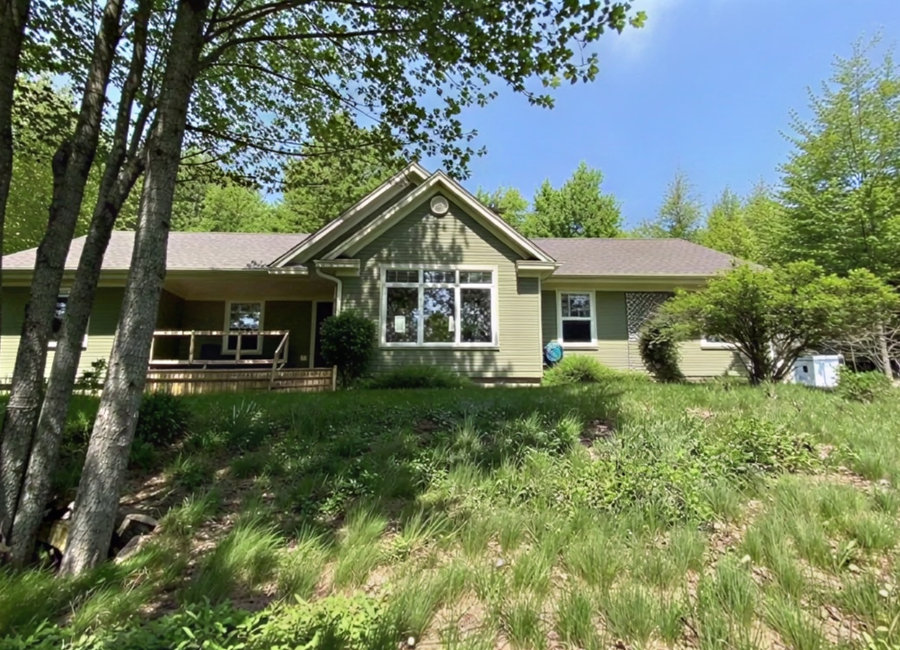
I conduct thorough home inspections throughout Sussex and the surrounding rural areas. Single-storey bungalows with bay windows often feature crawl space or basement foundations and HVAC systems that require careful assessment. Sussex properties range from established neighbourhoods to rural settings, and I inspect homes of all ages and styles, providing detailed documentation of structural, mechanical, and electrical systems regardless of location.
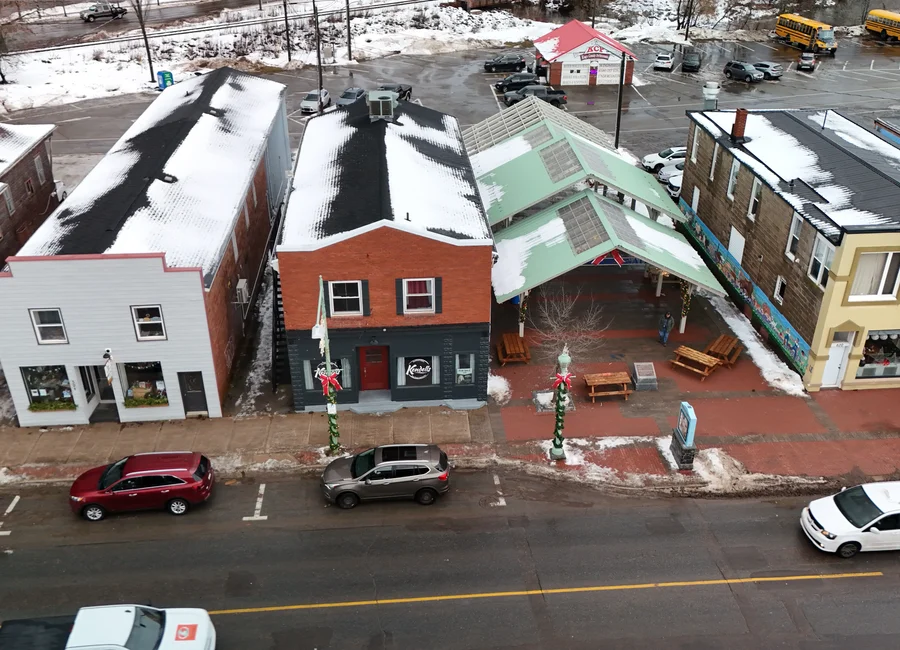
I conduct commercial and mixed-use property inspections in Sussex, including downtown buildings with retail spaces and upper-floor residential units. These properties require assessment of shared building systems, commercial-grade HVAC and electrical infrastructure, and the unique considerations that come with older commercial structures. I inspect multi-unit and mixed-use buildings throughout Sussex and the Kennebecasis Valley.
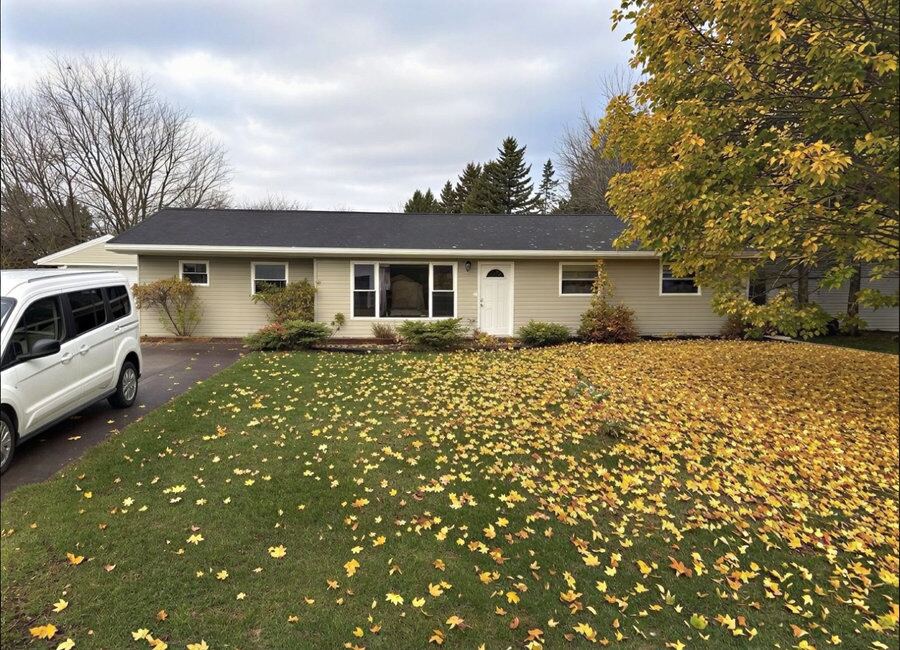
I conduct home inspections throughout Sussex and the Kennebecasis Valley region year-round, adapting my approach to seasonal conditions. I assess all accessible components regardless of season. From established neighbourhoods to newer developments and rural properties, I provide thorough inspections of Sussex homes, documenting the condition of all major systems and structural elements.
Victorian-era wood frame homes in downtown Sussex offer character and craftsmanship, but often require assessment of aging electrical, plumbing, and foundation systems.
Rural Sussex properties often include large outbuildings, barns, and silos. Inspections focus on structural safety and farm-specific considerations.
Wood heat is a primary or secondary heat source for many Sussex homes. Insurance companies frequently require WETT-certified inspection before coverage.
Farm properties may have water systems designed for livestock in addition to residential use, requiring thorough evaluation of capacity and condition.
Sussex sits on karst limestone geology, the same fractured bedrock responsible for the region's famous covered bridges, sinkholes, and underground caves. This geology creates a direct pathway for radon gas to migrate from underground into your home. One in four New Brunswick homes test above Health Canada's 200 Bq/m³ guideline, and in karst areas like Sussex the risk is significantly higher. A mitigation system typically costs $3,000 to $5,000 and reduces levels by more than 80%. Knowing before you buy gives you negotiating power.
Read reviews from clients I've helped in Sussex.
The Full WETT Experience
"We recently got a WETT certification with Jonathan. The whole experience was fantastic! He gave us lots of very useful advice on the maintenance and use of our wood stove. The report was very thorough."
Whether you are buying a heritage home on Main Street, a family home in Sussex Corner, or a rural property anywhere in Kings County, I bring certified expertise and local knowledge to every inspection.
4.9 rating from 550+ reviews
I have inspected homes across Sussex and Kings County for over 10 years, from century-old farmhouses along the Kennebecasis to brand-new builds in Sussex Corner subdivisions. Sussex properties come with considerations you will not find in urban Saint John: well water quality, septic system condition, wood stove compliance, agricultural outbuildings, and the karst geology that makes radon testing critical in this area.
My office is in Hampton, 30 minutes west on Route 1. I know the Kings County housing stock and the specific challenges that come with rural and small town properties. Whether you are buying a character home on Main Street, a dairy farm on the outskirts, or a newer build on Skyline Avenue in Sussex Corner, I bring the same certified, thorough approach.
Sussex is the commercial and cultural hub of Kings County, 70 km northeast of Saint John along the Trans-Canada Highway. Population: approximately 5,900 (post-2023 amalgamation of Sussex, Sussex Corner, and parts of Sussex Parish).
Heritage (1800's-1950's)
Sussex's oldest homes, many dating back to the Loyalist settlement era and Irish immigration waves of the mid-1800s. Two-storey wood frame homes sit alongside brick commercial buildings, some divided into apartments over the decades. Common findings include original stone and rubble foundations with moisture intrusion, galvanized or lead supply lines in pre-1950 homes, knob and tube wiring in attics and walls, aging oil furnaces, and multi-unit conversions where I check fire separation and egress.
1960's-2020's
A separate village until the 2023 amalgamation. Residential developments along Skyline Avenue, Post Road, Chapman Drive, and newer subdivisions built from the 1980s onward. Housing is predominantly single-family detached on larger lots, many with private wells and septic. 1960s-70s homes often have original electrical panels, aging shingles, and single-pane windows. Newer builds from the 2000s onward are generally well constructed, though I watch for rushed finishing in spec homes and well water quality issues.
Mixed Era
Properties here carry the highest flood risk in Sussex, including homes along Holman Avenue, Stewart Avenue, and low-lying areas near the downtown core. Many residents have dealt with repeated basement flooding, some experiencing water levels over four feet. I pay close attention to foundation condition, sump pump reliability, backflow prevention, and chronic moisture. Flood insurance options and the Town's current mitigation plans should be confirmed before closing.
Post-WWII
Home to the Sussex Military Camp (1885-WWII). The Town purchased this land to expand, and much has been developed for residential and commercial use. Homes date primarily from the 1950s through 1980s. Common findings: aging heating systems, original 100-amp electrical panels due for upgrade, and foundation settling on properties where former camp infrastructure was removed. Well and septic service most homes in the outer portions.
Mixed Era
Working farms, hobby farms, and country homes on larger acreage. Where WETT inspections are most in demand. Wood stoves are primary or supplementary heat in many homes. Agricultural properties require additional attention: outbuildings, barns, sheds for structural integrity, well and septic systems sized for higher capacity, and environmental concerns like fuel storage tanks. Properties near the former potash mines at Penobsquis may have specific geological considerations.
1990's-2020's
Steady commercial and residential development over the past 30 years. Newer subdivisions along this corridor feature modern construction, municipal water connections where available, and energy-efficient building standards. Even in newer homes I commonly find grading and drainage issues on recently developed lots, builder-grade materials needing earlier replacement, and HVAC systems not properly commissioned.
Sussex is 25 minutes from my Hampton office. I also serve the broader Kings County and Saint John region.
The Sussex town core has beautiful Victorian wood-frame homes, but many date back to the late 1800s and early 1900s. Common findings include stone or rubble foundations, galvanized or lead supply lines, knob and tube wiring, and oil furnaces. Some have been converted into multi-unit properties, which can introduce fire separation and egress concerns. A thorough home inspection lays out exactly where the home stands so you can plan accordingly.
Yes. Sussex is the Dairy Capital of the Maritimes, and rural properties with barns, outbuildings, silos, and larger acreage are common. These require a different home inspection approach. I evaluate the primary residence along with outbuildings, and I look at farm-specific considerations like complex water systems that may serve both residential and agricultural needs.
It can be, depending on location. The Sussex area has recorded over 50 flood events since 1854, with the Trout Creek sub-watershed being the most flood-prone in the region. Over 400 properties fall within the 100-year flood zone, and damages since 2014 have exceeded $60 million. I look for signs of past water intrusion, foundation damage, and drainage issues on every Sussex home inspection.
Wood heat is a primary or secondary heat source in many Sussex and Kings County homes, especially older farmhouses and rural properties. Insurance companies often require a WETT inspection to confirm the installation meets safety standards. Common findings include non-compliant hearth clearances and unlined chimneys in older homes. I am WETT certified and can include this as part of your home inspection.
Absolutely. Sussex sits on karst limestone geology, the same fractured bedrock responsible for the region's famous covered bridges, sinkholes, and underground caves. This geology creates a direct pathway for radon gas to migrate from underground into your home. The fractures and solution channels in limestone act as high-permeability conduits, allowing radon to travel rapidly from deep rock sources. One in four New Brunswick homes test above Health Canada's 200 Bq/m³ guideline, and in karst areas like Sussex the risk can be significantly higher.
Find My Package
Every home in Southern New Brunswick has its own story. Age, heating, layout, hidden systems all matter. Answer four quick questions and I will recommend the package that fits.
4.9 rating from 550+ reviews
Free to use. No email needed to see your recommendation.
From Victorian homes on Main Street to dairy farms in Kings County. Same-day reports, WETT included.