
C-NRPP Certified
Canadian National Radon Proficiency Program certified.
Service Areas · Hampton
Your local Kings County inspector. Heritage homes, rural properties, and waterfront cottages inspected from my Hampton office.
Certified and Trusted in Hampton
Proud member of the Hampton Area Chamber of Commerce.

Registered Home Inspector, nationally recognised designation.

Wood Energy Technology Transfer certified inspector.
Canadian National Radon Proficiency Program certified.
Hampton is home. This is where I live and where I have built my business over the past 10 years. The town is a mix of old and new. You will find century homes in the village core, newer subdivisions on the outskirts, and rural estate lots in the surrounding hamlets.
Because I live here, I know which areas have heritage homes with aging plumbing. I know where the new builds are. And I know which low-lying spots along the Kennebecasis River carry a flood risk that every buyer should know about.
While Hampton is beautiful, certain low-lying areas near the Kennebecasis River require careful review of flood maps. If you're considering a property in these zones, I can help you understand what that means for insurance, resale value, and long-term ownership. It's the kind of local knowledge that only comes from living here.
From Hampton Village heritage homes to rural properties in Passekeag and Bloomfield, here is a look at some of the homes I have recently inspected in the area.
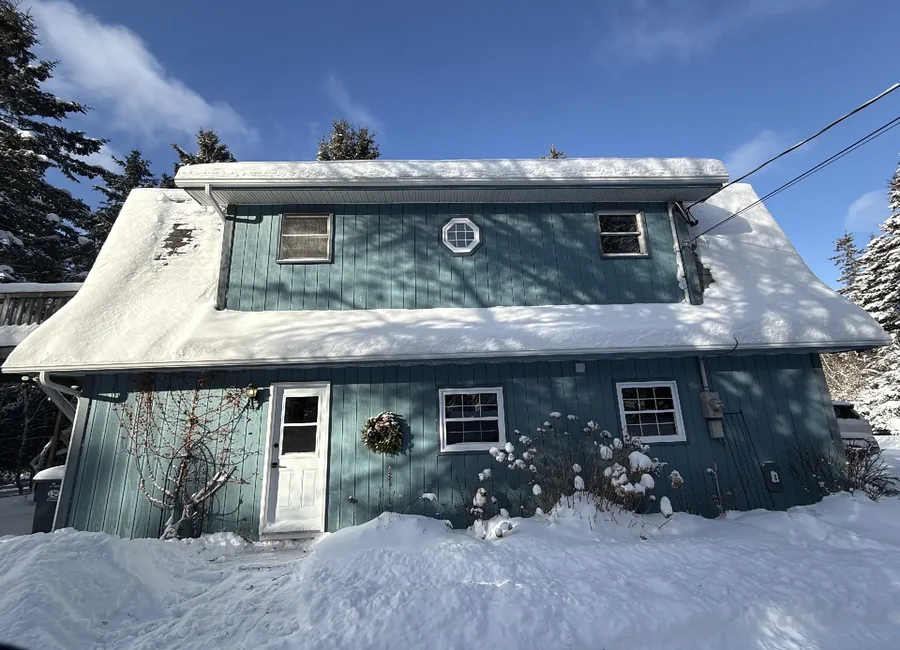
I conduct home inspections year-round in Hampton and throughout the Kennebecasis Valley, including during winter months when snow load and ice damming conditions become visible. Winter inspections allow me to assess heat loss patterns and how homes handle New Brunswick's seasonal conditions. I inspect all accessible components regardless of weather, adapting my approach to work safely in Hampton's winter climate.
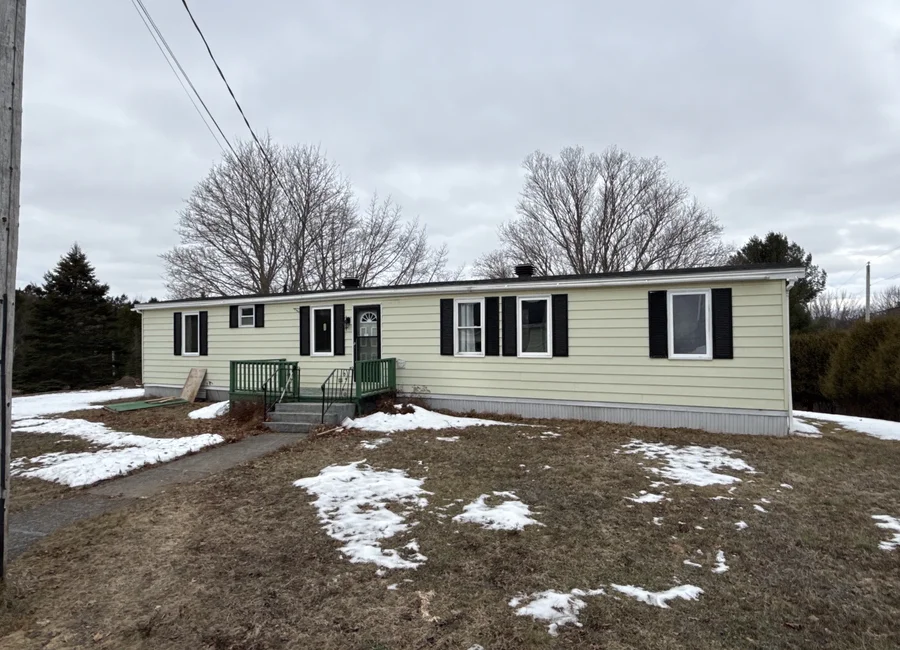
I inspect mobile and manufactured homes throughout Hampton and the surrounding rural areas. These properties require specialised knowledge of manufactured housing construction methods, foundation systems specific to mobile homes, and the unique concerns that come with this building type. I assess frame integrity, tie-down systems, skirting and underpinning, utility connections, and all mechanical systems.
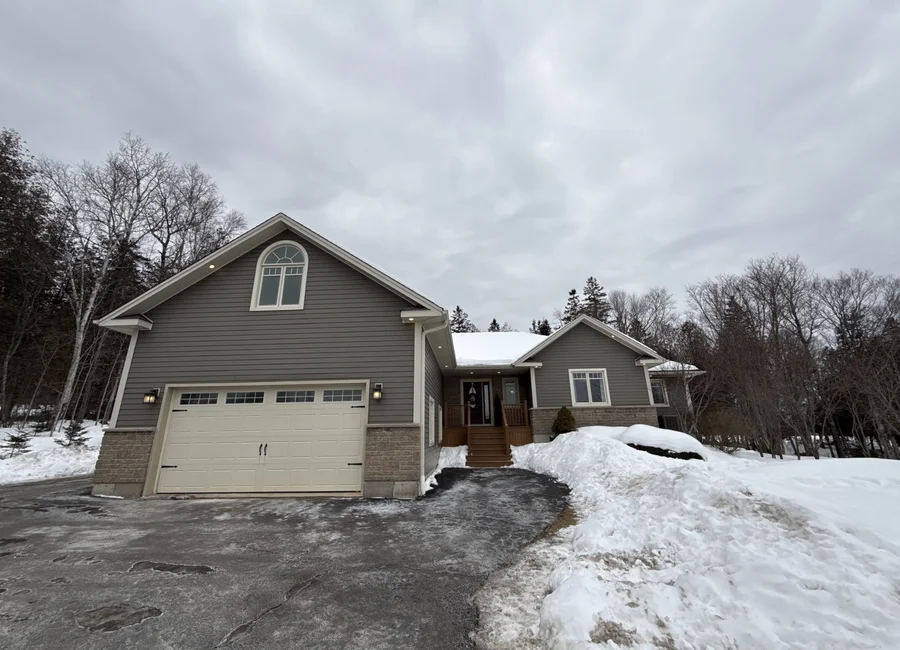
I conduct new construction inspections throughout Hampton before your builder's warranty period begins. I inspect installation quality, building envelope details, and mechanical system performance while everything is still accessible. New construction inspections cover foundation work, framing details, HVAC installation, and all building systems, providing thorough documentation before you take possession.
Older homes in "the Village" often feature high-quality craftsmanship but may have aging plumbing, outdated electrical, or insulation that does not meet modern standards.
Newer developments on the outskirts follow contemporary building codes but still require thorough inspection of foundation, HVAC systems, and finish quality.
Rural Hampton properties typically rely on private wells and septic: both require evaluation to ensure proper function and maintenance history.
Wood heat is common in Kings County. Many insurance companies require a WETT inspection for properties with wood stoves, fireplaces, and wood-burning systems.
Read reviews from clients I've helped in Hampton.
Top Notch Report
"Jonathan was excellent and very accommodating for my very quick purchase of a home. The review and report were top notch and I loved how easy it was to book online. Would definitely recommend!"
Professional and Knowledgeable
"Jon was super nice, very professional and knowledgeable. Definitely recommend him."
A Report That Keeps Giving
"Jonathan did our home inspection for our first home. We love that we can access our report anytime, even two years down the road, and the photos are very helpful as we get work done."
As your local inspector, I can often accommodate short-notice requests and provide the kind of neighbourhood-specific insights that only come from living and working here for over a decade.
4.9 rating from 550+ reviews
Hampton is two communities in one: Hampton Village (the original Loyalist settlement and Kings County seat since 1870) and Hampton Station (the railway-era development from 1859). Together with Nauwigewauk, Darlings Island, Passekeag, Bloomfield, and Kingston, this area offers heritage homes, waterfront cottages, and rural farmsteads on multi-acre lots. Population: 4,395.
Heritage (1780's onward)
The historic heart of Hampton, where the Kings County Courthouse (1872, now Town Hall) anchors a walkable heritage district. Homes feature covered front porches, widow's peaks, and wood clapboard siding. I evaluate original stone and rubble foundations, aging electrical that may still include knob and tube wiring behind plaster walls, and heating systems converted from wood to coal to oil across multiple generations. The Village is on municipal water and sewer.
1860's onward
Originally called "Ossekeag" after the Maliseet word for "marshy brook," Hampton Station developed as the commercial centre around the railway. Homes span from the 1860s through modern subdivisions like Country View Heights. The 1960s-70s era accounts for ~30% of Hampton's housing stock, commonly showing original 100-amp electrical panels, single-pane windows, settled fibreglass insulation, and oil furnaces at end of life.
Rural-Suburban
Settled by Loyalists in the 1780s, Nauwigewauk sits where the Hammond River meets the Kennebecasis. About 10 minutes from Hampton and part of the commuter corridor to Rothesay. Inspections often involve rural property considerations: private wells requiring water testing, septic systems needing age and condition assessment, and wood-burning appliances calling for a WETT inspection. Riverfront properties face the 2018/2019 flooding risk.
Waterfront
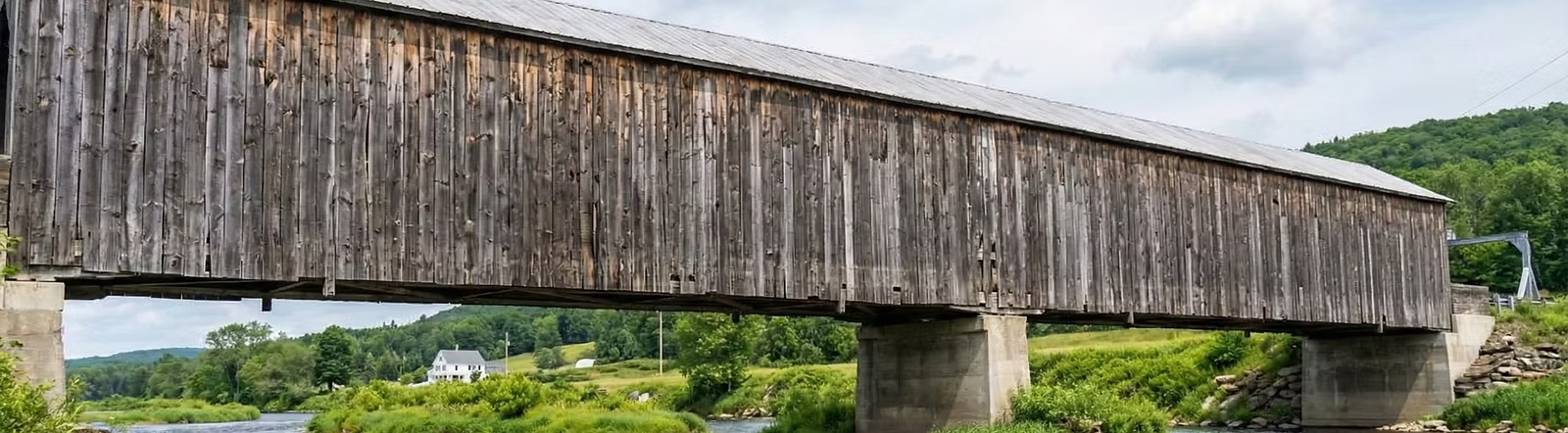
Surrounded by the Kennebecasis River, Hammond River, and Darlings Lake. The 1914 covered bridge is a New Brunswick landmark. During the 2018 flood, residents evacuated by boat when the Kennebecasis flooded the only access road. I inspect with particular attention to flood damage evidence, foundation moisture, and septic systems compromised by high water. Waterfront cottages converted to year-round use need evaluation for insulation, heating capacity, and winterisation.
Rural Kings County
Rural properties along the Kennebecasis River, northeast toward Sussex. Passekeag, named from the Maliseet word 'Petkit' meaning 'bend,' developed as a farming settlement in the 1860s. Properties are almost exclusively on private wells and septic. The glacial till soils mix clay, sand, gravel, and boulders, affecting water quality and septic performance. I recommend comprehensive water testing, radon testing, and WETT inspections for purchases in this area.
Loyalist Heritage
South of Hampton on the Kingston Peninsula, one of New Brunswick's earliest planned Loyalist settlements (1783) and the original Kings County seat. Trinity Anglican Church and rectory (1788/1789) are National Historic Sites. Loyalist-era and Georgian-era homes demand specialised inspection knowledge: 230+ year old foundations, structural timbers that predate Confederation, and heating systems converted multiple times. Properties are on private wells and septic, so water quality testing is essential.
New Brunswick has some of the highest radon levels in Canada. Approximately 1 in 4 homes province-wide test above Health Canada's 200 Bq/m³ guideline, and 6.1% of New Brunswick homes exceed the severe 600 Bq/m³ threshold, the highest rate in the country. The shale and granite bedrock underlying Kings County produces the uranium that generates radon gas. Every home in the Hampton area should be tested. I offer radon testing as a standalone service or combined with your home inspection.
See where I've tested for radon in Hampton and across southern New Brunswick on my radon map. It's a record of my own tests, not a rating of the area.
Hampton experienced significant flooding in both 2018 and 2019. In 2018, portions of Main Street and Cemetery Road were closed, Kredl's Country Market required over 4,000 sandbags, all four Hampton schools were shut down for a week or more, and Darlings Island residents could only leave by boat. The 2019 flood brought similar disruption across the Kennebecasis Valley.
During every inspection of a riverside or low-lying Hampton property, I look for flood damage indicators: water stains on foundation walls and floor joists, warped subflooring, mould behind finished basement walls, rust on electrical panels and HVAC equipment, and repaired sections that don't match the surrounding construction. If you are considering a property near the Kennebecasis, the Hammond River, or Darlings Lake, ask about flood history before you book your inspection, and I will know exactly what to look for.
Hampton is my home base, centrally located between Rothesay and Sussex. I serve the entire Kennebecasis Valley and beyond.
My office is in Hampton, and I have been completing home inspections across Kings County for over a decade. Being local means I know the housing stock, the flood-prone areas, and the specific concerns that come with properties in this part of New Brunswick. There is no travel fee and no learning curve when it comes to Hampton and the surrounding communities.
Parts of Hampton, especially along the Kennebecasis River near Main Street, Darlings Island, and the Cemetery Road area, are within identified flood zones. The 2018 and 2019 floods displaced residents and caused significant property damage. During the home inspection, I look for signs of past water intrusion, foundation damage, and whether flood mitigation measures have been taken. This can also affect insurance availability and resale value, so it is important to understand before you buy.
Wood burning stoves and fireplaces are a primary or secondary heat source in many Kings County homes, especially in rural areas like Passekeag, Bloomfield, and Kingston. Insurance companies often require a WETT inspection before they will issue or renew a policy. As a WETT certified inspector, I can include this as part of your home inspection so you do not need to schedule a separate appointment.
Yes. Rural properties in areas like Nauwigewauk, Passekeag, and Bloomfield often come with outbuildings, well and septic systems, and larger lots that require a different approach than a subdivision home. I evaluate the primary residence along with any outbuildings, and I can add water testing, radon testing, and WETT inspections as needed.
I recommend it. Kings County sits on shale and granite bedrock, which are natural sources of radon gas. Province-wide, about 1 in 4 New Brunswick homes test above Health Canada's guideline level, and the Hampton area is no exception. Radon testing requires a minimum four-day monitoring period, so plan ahead when booking your home inspection.
Hampton Village has some of the oldest homes in Kings County, with foundations dating back to the Loyalist settlement in the 1780s. Common findings include aging plumbing, outdated electrical systems, and insulation that has settled or deteriorated over time. Stone and rubble foundations are not unusual, and I use thermal imaging to assess heat loss and moisture without disturbing original materials.
Find My Package
Every home in Southern New Brunswick has its own story. Age, heating, layout, hidden systems all matter. Answer four quick questions and I will recommend the package that fits.
4.9 rating from 550+ reviews
Free to use. No email needed to see your recommendation.
Local Hampton-based inspections across Kings County. Short-notice availability, same-day reports, WETT and radon testing included.