East Coast Home Inspection Ltd

Monthly Market Intelligence

THE REPORT

Your briefing on Southern New Brunswick real estate trends, inspection insights from the field, and data that helps you advise your clients with confidence.

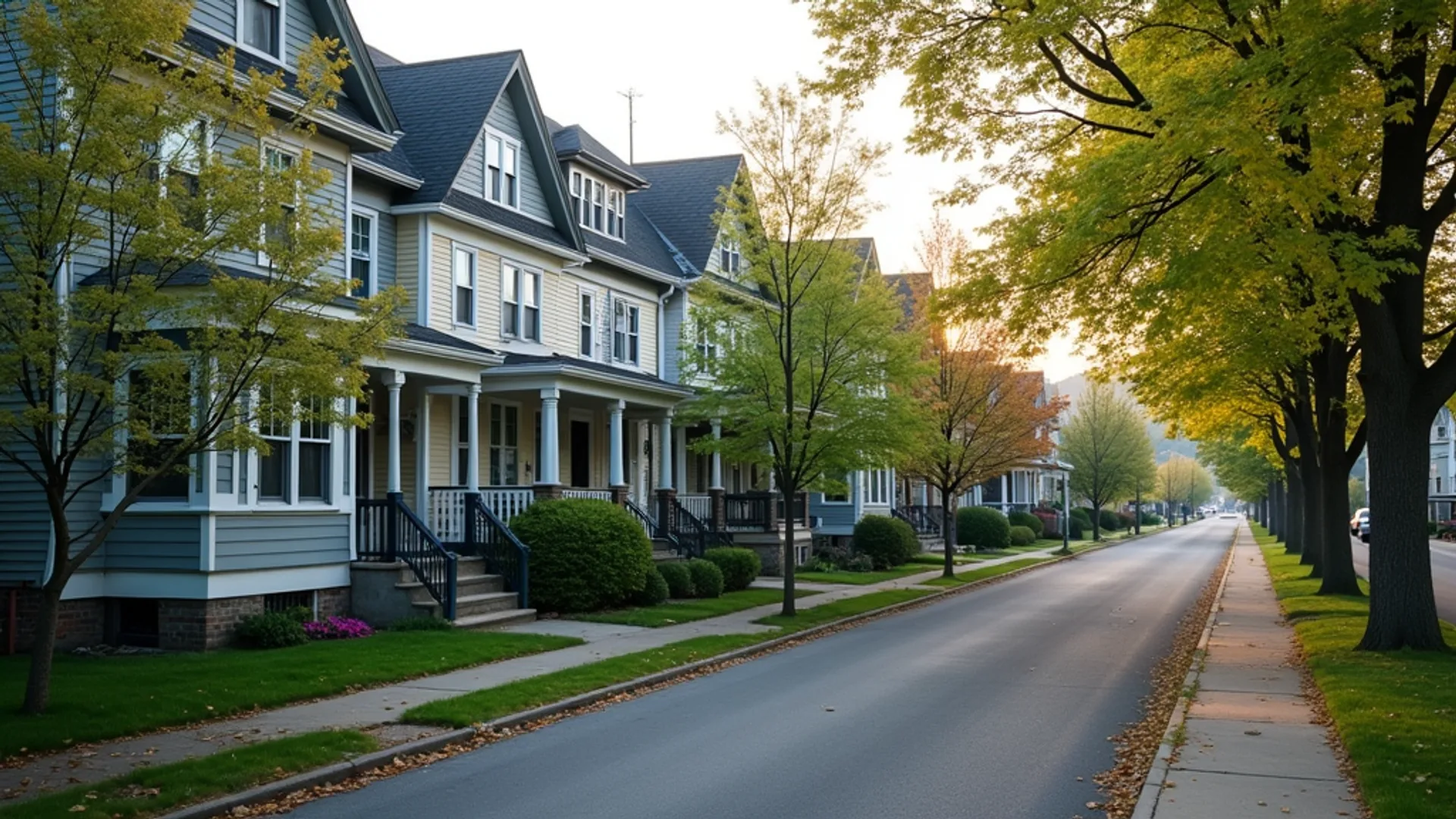
Late spring residential street in Southern New Brunswick with mature trees beginning to leaf out and a mix of older heritage homes lining a tree canopied street

Market Snapshot

NB Power up 4.29%. The insurance bar just moved on older Saint John homes.

Two things landed in April that change the conversation for Southern New Brunswick buyers and agents this spring. NB Power's 4.29% rate increase took effect April 14, the third increase in three years. And Atlantic insurers are quietly tightening on three categories of finding I see every week in older Saint John homes.

$324K

↑ 1.3% YoY

NB benchmark price (April)

789

↑ 32% MoM

Provincial sales (April)

4.2

Tightening

NB months of inventory (April)

$366K

↑ 0.8% YoY (March)

Saint John average price

Sales surge in April. Price growth cools.

The April 2026 numbers tell a different story from March. Provincial sales jumped to 789 transactions in April, up roughly 32% from March and reversing the soft early spring. Year over year, sales are down 13% from April 2025, and benchmark price growth cooled to 1.3% YoY, well off March's 4.6%. The provincial benchmark composite came in at $324,400, down about $5,000 from March.

Inventory continues to tighten. Provincial months of inventory dropped to 4.2 in April from 5.0 in March, putting the broader province closer to a seller favourable balance. Saint John regional data through April is not yet published at the NBREB board level. The most recent verified Saint John average price remains $366,000 from March, up 0.8% year over year, with the region carrying tighter inventory than the province as a whole.

What this means at the negotiating table

For agents, April points to a market regaining volume even as price gains soften. The combination of falling inventory and rising sales suggests buyers are getting active again, but pricing discipline on the listing side matters more than it did a quarter ago because price growth is no longer doing the heavy lifting. For buyers, conditional offers with inspection clauses still get accepted in this environment, but the window to remove conditions continues to tighten. Pre-listing inspections remain a competitive lever for sellers, particularly on older stock where the buyer's inspection is most likely to surface friction.

Source: CREA / New Brunswick REALTORS du Nouveau Brunswick, April 2026

From the Field

NB Power's 4.29% landed April 14. What it costs, and what is still on the table.

The New Brunswick Energy and Utilities Board approved a 4.29% rate increase across all customer classes on April 13, 2026. The new rates took effect overnight on April 14. NB Power had originally applied for 4.75%. The EUB modified the application down, and earlier rejected an interim April 1 increase outright in March.

For residential customers, the per kWh rate moved from 14.76 cents to 15.39 cents. For a typical Southern NB household using roughly 1,350 kilowatt hours per month, the increase adds about $9.83 per month, or approximately $118 per year.

That number on its own is manageable. The story underneath it is not. This is the third NB Power increase in three years. The 2024 and 2025 increases were 9.7% each. Compounded with this year's 4.29%, residential rates have climbed roughly 25% over three years, on track to the 50% increase over six years that the EUB hearings have been flagging.

A home inspection does not perform an energy audit. But it does identify the conditions that directly affect how much heat your home loses and how hard your heating system works to compensate. Air leakage around penetrations, compressed or absent insulation in accessible attic and crawl spaces, moisture intrusion that has degraded insulation value over time, heating equipment running well past its expected service life. These show up in inspection reports every week across Southern NB. In a 25% and climbing rate environment, those findings are no longer abstract.

Agent takeaway

For any client looking at oil heated stock between now and June 30, the OHPA registration deadline (covered in the Seasonal Spotlight below) is a real number on a real calendar. Buyers who line up a Home Energy Evaluation during their conditional period can confirm eligibility before they close, get quotes from approved contractors, and know exactly what their conversion will cost. Buyers who close first and figure it out later will likely miss the registration window.

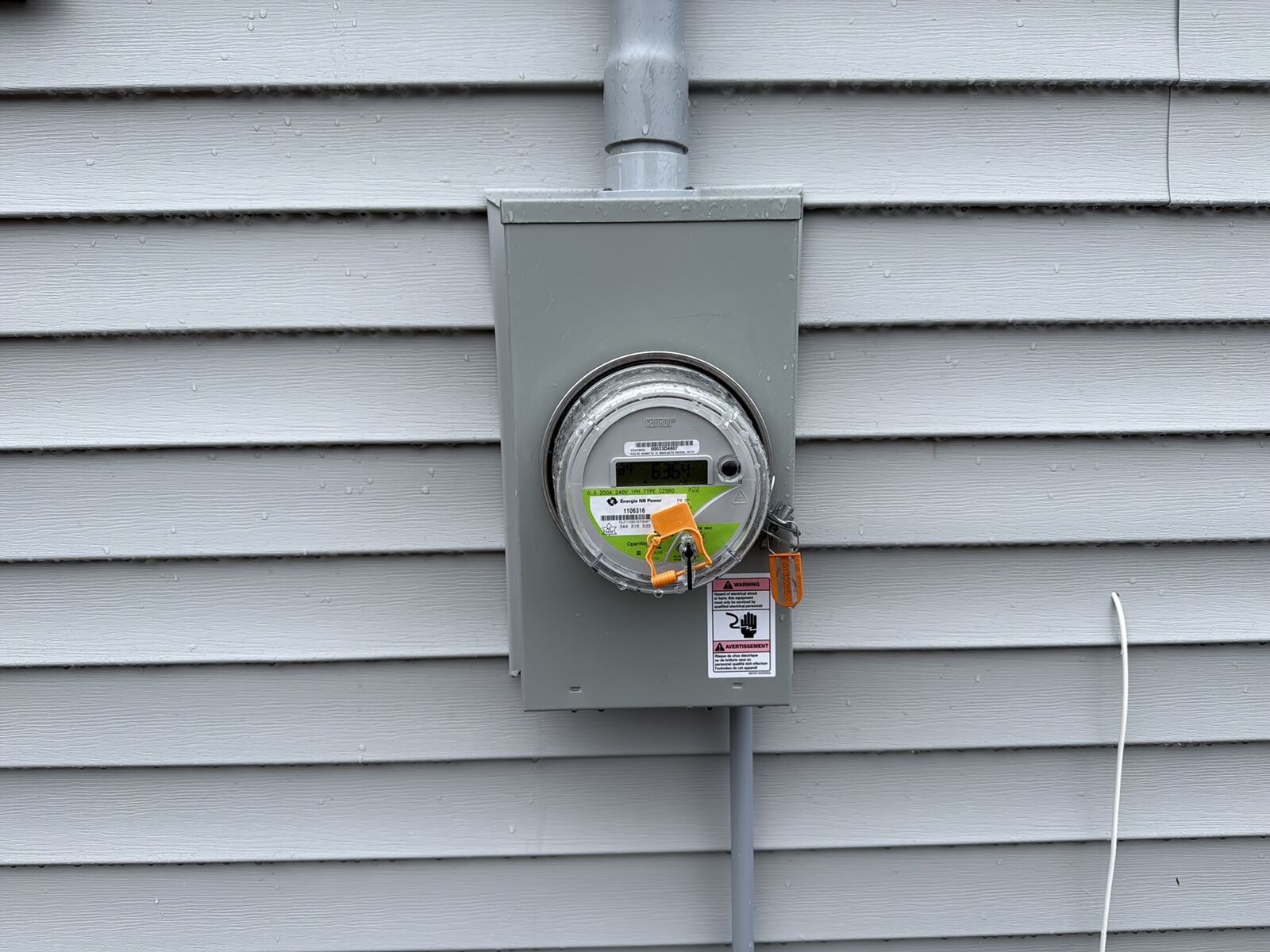
Canadian residential electrical kWh meter mounted on the side of a Maritime home representing the impact of NB Power rate increases on monthly household bills
From the Field

Three things Atlantic insurers are watching on older Saint John homes.

Insurance is becoming a quieter but increasingly decisive factor in older home transactions across Southern NB. Three findings in particular are reshaping how Atlantic Canadian insurers price, load, or refuse coverage. All three show up routinely on inspections of pre-1980 stock in Uptown Saint John, the older parts of the West Side, and heritage homes in the surrounding communities.

Oil tanks. Leaking oil tanks are now the third most expensive type of home insurance claim in Atlantic Canada, behind only fire and water damage. A single tank failure with soil contamination can run into six figures. Insurers have responded by demanding tank documentation, age limits, double bottom or fibreglass construction, and proof of regular inspection. On any home with an oil tank, I document the make, age, condition, secondary containment, and proximity to drains and water sources. That documentation matters at renewal, not just at purchase. The OHPA deadline above is not just an energy cost play. For some buyers, conversion is the difference between insurable and uninsurable.

Knob and tube wiring. In older Uptown Saint John homes, knob and tube remains common in attics and unfinished basements where renovation work never reached. Most Atlantic carriers now load the premium significantly when active knob and tube is identified, and several refuse coverage outright unless the wiring is fully removed and the home is recertified. Live knob and tube is one of the most common insurability surprises buyers face after closing. I trace, photograph, and document every visible run during an inspection so the buyer can have the conversation with their broker before the conditional period ends.

Kitec plumbing. Kitec was installed widely between 1995 and 2007 and is now treated by most carriers as faulty material excluded from coverage. The fittings corrode from the inside out and the failures, when they come, are often catastrophic. Kitec identification at inspection is a matter of looking for the orange and blue piping markings and tracing them through the system. A buyer who learns about Kitec from their insurer at renewal time, after a denied claim, has limited recourse. A buyer who learns about it from their inspector during the conditional period has options.

Why this matters now

Climate related claim volumes across Atlantic Canada have pushed underwriters to look harder at known risks. The older Saint John housing stock that has been insurable for decades is now being repriced. None of these three findings is a deal breaker on its own. All three benefit from being identified during the conditional period rather than after closing. For listing agents, a pre-listing inspection that documents these three items in advance is now a meaningful competitive lever in older home segments.

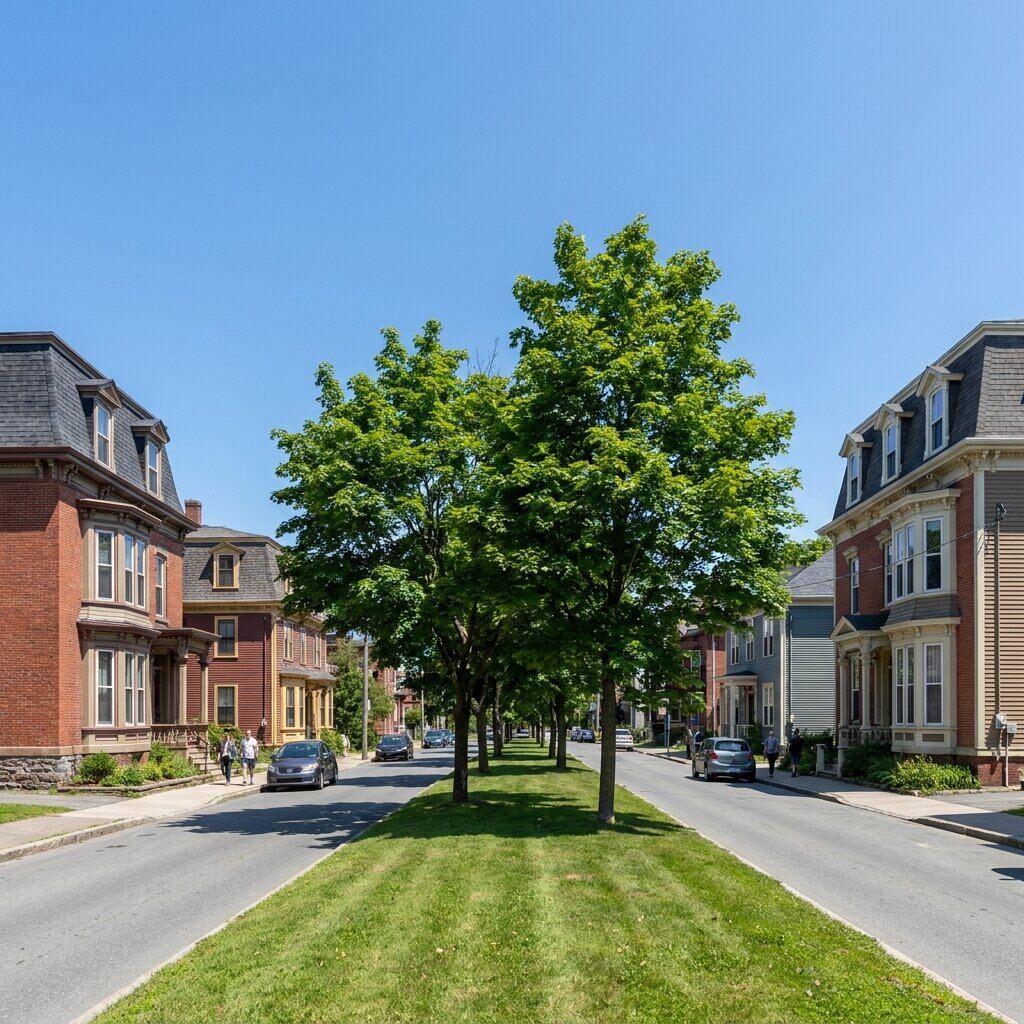
Older heritage Saint John home in the post-1877 rebuild architectural style with brick and clapboard construction representing the housing stock that Atlantic insurers are repricing
From the Field

Carpenter ants are a moisture finding first, a wood damage finding second.

Early May is when winged reproductive carpenter ants emerge in the Maritimes. If a homeowner sees large black winged ants indoors between April and June, that is strong evidence of a mature colony already inside or immediately adjacent to the structure. They are not passing through. They are flying out.

The dominant species across New Brunswick is the black carpenter ant, Camponotus pennsylvanicus, ranging from 6 to 25 millimetres. Carpenter ants are routinely confused with termites, but Southern NB has effectively no termite presence. Every call I get about wood destroying insects in the region is carpenter ants until proven otherwise.

Carpenter ants do not eat wood. They excavate galleries in moisture softened wood and push the borings out through small slit openings. The frass left behind looks like coarse sawdust mixed with insect parts. That frass is the diagnostic sign. So is the slit opening above it. So is the soft hollow sound when I tap a sill plate or a header that should sound solid.

The deeper finding is what the colony tells me about the building. Carpenter ants do not colonize dry, sound wood. They colonize wood that has already been water softened. The colony is the symptom. The leak is the cause. So when I find an active colony in a sill plate near a kitchen plumbing wall, I am also looking for the dishwasher supply leak that softened the wood in the first place. When I find one in a window header, I am looking for the failed flashing or the missing window cap above it. Treat the ants and you have addressed today's problem. Find the moisture source and you have addressed tomorrow's.

What to look for at a showing

For buyers viewing in May, the things to watch for are these. Piles of fine sawdust at the base of door frames, window frames, or where the floor meets the wall. Slit openings in wood with frass below them. Large winged ants on windowsills, particularly on the warm side of the house. A tap test on accessible wood components: a hollow note where there should be a solid one is worth flagging.

A carpenter ant finding on an inspection report is rarely a deal breaker on its own. What it is, almost always, is a flag that there is undiscovered moisture in the structure. When the report calls out an active colony, the conversation with the buyer should be about finding the leak, not just hiring an exterminator.

Macro photograph of a black carpenter ant on weathered structural wood with a small pile of frass borings beside it and a slit gallery exit visible in the wood
Code Update

The 2020 NBC is in force. The CMHC Eco refund is running 24 weeks behind.

Two updates worth knowing this month, one regulatory and one operational.

On the code side, New Brunswick adopted the 2020 National Building Code, National Fire Code, and National Energy Code effective April 1, 2025, per provincial Technical Bulletin 2025-01. The focus areas for residential transactions are energy efficiency, barrier free design, and building safety. Two provisions matter most. First, windows in rooms where the sill is more than 6 feet above grade now require opening control devices on new construction and window replacements. This is a child safety provision and applies forward, not retroactively. Second, new construction is moving toward requiring a passive radon mitigation rough in: a sealed membrane under the slab and a pipe from foundation to attic, ready for a fan if testing later confirms elevated levels. The 2025 NBC has been published nationally, but New Brunswick is on the 2020 edition with no announced timeline for an update.

On the operational side, the CMHC Eco Improvement refund, which returns 25% of the mortgage insurance premium for buyers who invest $20,000 or more in qualifying energy upgrades on CMHC insured purchases, is now running with a 24-week processing window from application to refund. That delay is not a problem if buyers know about it. It becomes a problem when buyers expect the refund within their first year of ownership and have planned cash flow around it. Eligible upgrades transfer with the home, so a buyer purchasing from a seller who completed qualifying work can apply using the prior owner's documentation.

Listing Agent Tip

Three things to know before listing an older Saint John home this spring.

Older Saint John housing stock is moving in this market. The combination of tight inventory and patient buyers means a well presented heritage home gets traction. What slows deals down on these properties is rarely the price or the showings. It is what comes up at the buyer's inspection.

Three items in particular surface most often, and all three are addressable in advance.

First, the oil tank. If the property has one, knowing its age, condition, and any documentation the seller has on it will save the conversation later. Tanks past their service life are a known insurance friction point, and the OHPA conversion deadline of June 30, 2026 changes the math for some sellers who might otherwise have left it for the buyer.

Second, the wiring. If the home has any history of knob and tube, even partial, knowing where it is and what the local recertification path looks like puts you ahead of the buyer's broker. Many older Saint John homes have had partial upgrades over the decades. Knowing what is left, and where, is information your buyer's insurer will eventually ask for.

Third, the plumbing. If the home was renovated between 1995 and 2007, there is a real chance Kitec is in the system somewhere. A quick visual check at exposed runs in the basement and under sinks is often enough to confirm or rule out.

Why a pre-listing inspection earns its cost

A pre-listing inspection that documents these three items proactively is now a meaningful competitive lever in the older home segment of the Saint John market. The cost is the same whether the seller or the buyer orders the inspection. The difference is who controls the narrative when the findings come up. If you have an older listing coming to market this spring and want to discuss whether a pre-listing inspection makes sense, call or text 506-651-9461.

Jonathan Gogan of East Coast Home Inspection conducting an inspection at an older heritage home in Uptown Saint John

Seasonal Spotlight

JUNE 30

Oil to Heat Pump Affordability registration closes

If your client is heating with oil, the calendar matters more than the brochure.

The Oil to Heat Pump Affordability program, federally funded through Natural Resources Canada and administered by NB Power through SaveEnergyNB, closes registration on June 30, 2026. Work must be completed by March 31, 2027.

For households still heating with oil, the program offers up to $15,000 in advance funding toward a heat pump conversion. For households with combined gross income under $70,000, the Enhanced Energy Savings Program provides free oil to heat pump conversion with a 10 year warranty on parts and labour. Both pathways require a Home Energy Evaluation by a Certified Energy Advisor as the mandatory first step.

What unlocks at the same evaluation

The same Home Energy Evaluation that establishes OHPA eligibility also unlocks the CMHC Eco Improvement refund, which returns 25% of the mortgage insurance premium when a buyer invests $20,000 or more in eligible energy renovations on a CMHC insured purchase. One evaluation, two funding pathways. The CMHC processing window currently sits at 24 weeks, so buyers should plan accordingly.

Where the deadline lands for a buyer

For a buyer looking at oil heated stock between now and June 30, the OHPA deadline is a real number on a real calendar. Booking a Home Energy Evaluation during the conditional period lets the buyer confirm eligibility before they close, get quotes from approved contractors, and arrive at the CMHC threshold with a plan rather than a surprise renovation bill. Buyers who close first and figure it out later will likely miss the registration window.

Programs Worth Knowing

Three deadlines and windows worth tracking this month.

Deadline: June 30, 2026

Oil to Heat Pump Affordability registration closes

Federally funded through Natural Resources Canada, administered by NB Power. Up to $15,000 advance funding toward an oil to heat pump conversion. Work must be complete by March 31, 2027. Households under $70,000 income may qualify for the Enhanced program with no upfront cost.

SaveEnergyNB details →

CMHC Eco Improvement

25% mortgage insurance refund on energy upgrades

For CMHC insured purchases. Minimum $20,000 in qualifying energy upgrades. Application within 24 months of mortgage closing. Currently running 24 weeks for processing. Eligible upgrades transfer with the home.

CMHC program details →

Radon Testing Window

Start your test now or wait until October

Long term radon tests are most accurate during heating season (October through April), when the home is closed up and indoor concentrations are representative. Tests started in summer typically under report. C-NRPP recommends a 91 day minimum test once every 5 years, or after any major basement work.

Radon testing services →
I cannot state how amazing East Coast Home Inspections and Jonathan were in obtaining our home. Not only was his report very thorough, when the bank requested the report, because our home is 100 years old, Jonathan also took the time to write a letter on the quality of the home and the basement, which was in question, at no additional cost. Because of this support, we were able to secure financing and move into our forever home.

Jonathon K, Rothesay NB · Verified Google Review

4.9 550+ Google Reviews · Southern NB's most reviewed inspector

Get The Tide Report
in your inbox

I send a short email each month when a new issue goes live. One message, no fluff, just the key numbers and a link to the full report.

Subscribe