East Coast Home Inspection Ltd

Monthly Market Intelligence

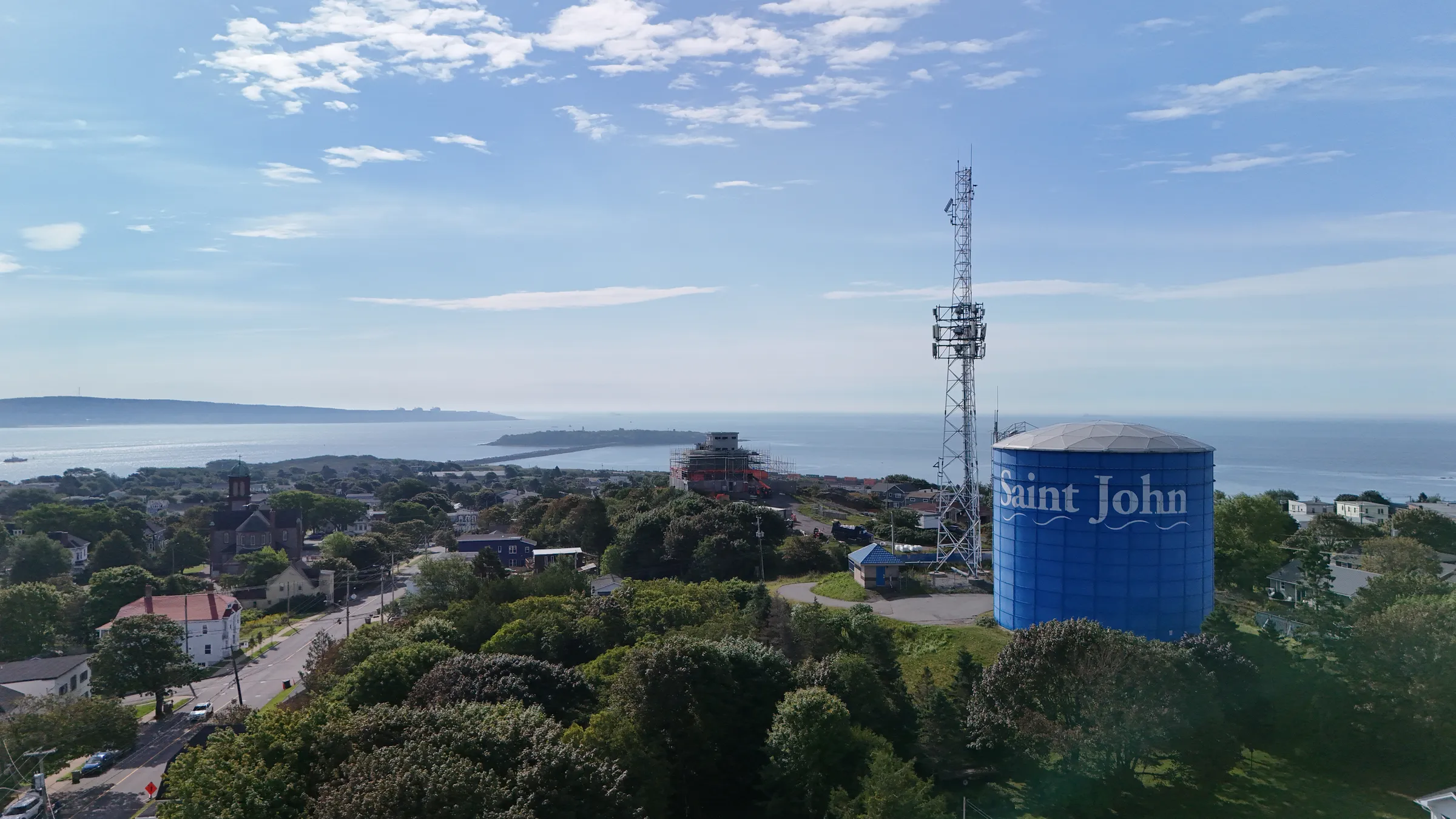
Aerial view over Saint John on a clear late summer morning, the blue Saint John water tower in front and the Bay of Fundy beyond

Monthly Market Intelligence

THE REPORT

Your briefing on Southern New Brunswick real estate trends, inspection insights from the field, and data that helps you advise your clients with confidence.

Market Snapshot

Heating oil is at a three year high. Why I recommend first time buyers book a heating service before winter.

Two things shape the Southern New Brunswick conversation as the heat comes on. Why I recommend every first time buyer book a heating service before the first heating season, and why more of my clients asked me to look inside the sewer line this September than at any point this summer.

$342,400

↑ 5.9% YoY

NB benchmark price (August)

825

↓ 8.7% YoY

Provincial sales (August)

5.0

Up from 4.3 a year ago

NB months of inventory

4,117

↑ 6.5% YoY

Active listings (August)

Prices hold steady while buyers get more to choose from

The August 2026 data from CREA and New Brunswick REALTORS shows prices holding while supply keeps building. The provincial benchmark composite price sat at $342,400, up 5.9% year over year and little changed from the $342,600 reported for June. Townhouses led the gains at 17.5% year over year, single family homes rose 6%, and apartments were close to flat at 1.6%.

Sales cooled by more than the usual late summer slowdown. The province recorded 825 units sold in August, down 8.7% from last August and 8.5% below the five year average for the month. Saint John saw one of the sharper pullbacks in the province, with local sales down 12.3% year over year, while Fredericton held even.

The bigger change is on the supply side. Active listings reached 4,117, up 6.5%, and the board reports that August inventory has not been this high in more than five years. New Brunswick sat at 5.0 months of inventory, up from 4.3 a year ago and just above the long run August average of 4.9. The board describes it as a healthy range of options for buyers, and that matches what I see at inspections: buyers who have more homes to compare, and who are taking their time with the one they choose.

Infographic, New Brunswick in August 2026: prices held, sales cooled, supply rose. The benchmark price was $342,400, almost unchanged from $342,600 in June and up 5.9% on last August, with townhouses up 17.5%. 825 homes sold, down 8.7% on last August, and Saint John sales were down 12.3%. 4,117 homes were for sale, the most for an August in more than five years. A street of houses with for sale signs shows five for sale for every one sold: about 5 months of inventory, against 4.3 a year ago and a long run August average of 4.9. Source: CREA and New Brunswick REALTORS, August 2026.

What it means at the table

The agent read. At five months of inventory, a listing is competing with more homes than at any August in five years, and buyers have the time to compare. With oil where it is, one of the first things they will want to know about an older home is what heats it, how old the system is, and what it costs to run. A listing that has those answers in the file is an easier one to say yes to.

The buyer read. More supply gives you more room on conditions, and a full inspection period is realistic again. With oil where it is, the heating system deserves a good share of that week. If the report tells you the furnace is near the end of its life, or the heat pump runs on a refrigerant that has been phased out, you can price that into the deal while you still have a condition to work with.

Source: CREA / New Brunswick REALTORS du Nouveau Brunswick, August 2026

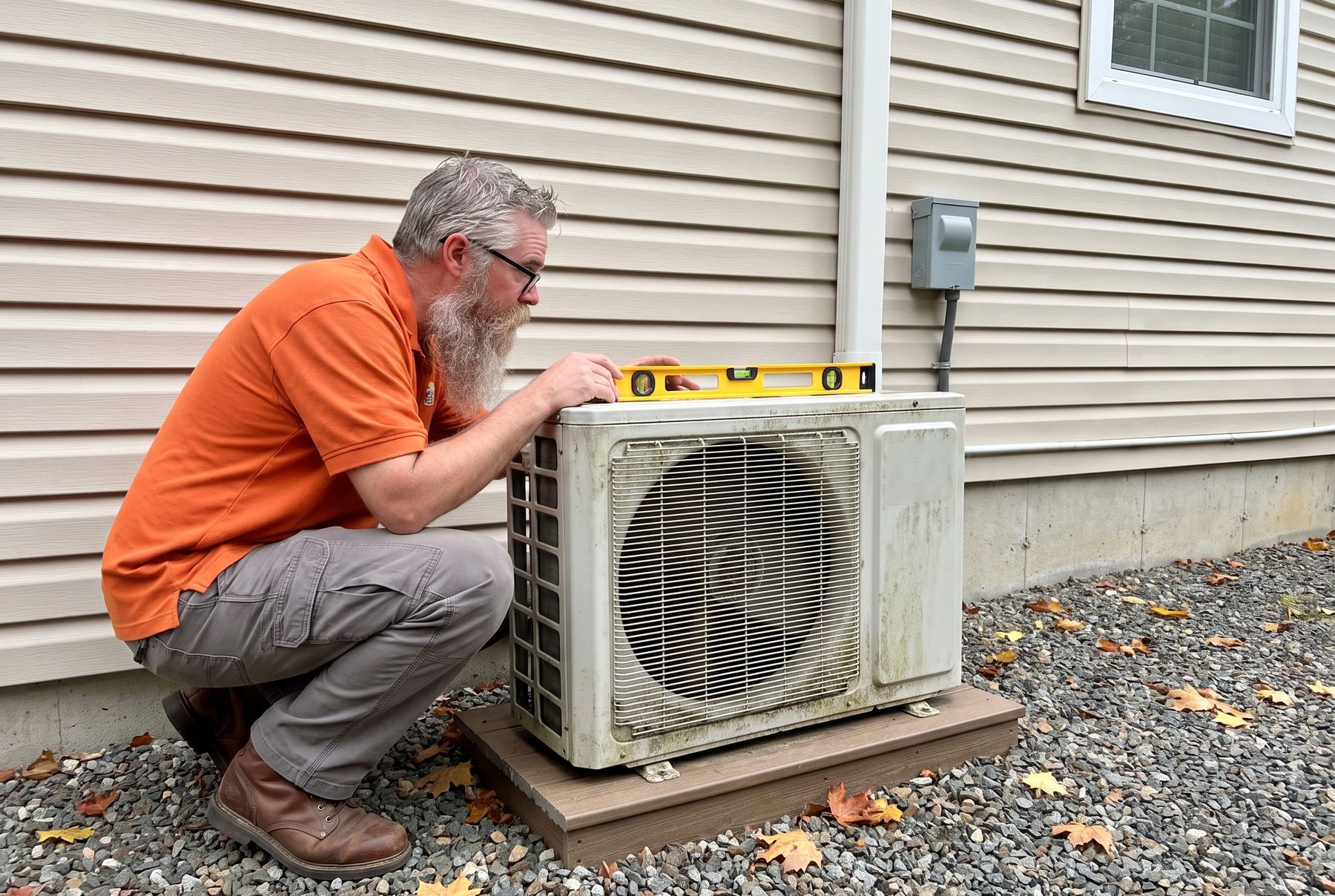
Jonathan checking that a heat pump outdoor unit sits level beside a home
From the Field

Furnace oil is up 74% on a year ago. Why I recommend a heating service before your first heating season.

If the home you are buying heats with oil, filling the tank this winter will cost a lot more than it did last year. The New Brunswick Energy and Utilities Board sets the maximum price, and furnace oil delivered is $2.69 a litre as of September 25, against $1.55 the same week last year. That is up about 74%. The peak so far was $2.81 on September 18, the highest since November 2022. For a buyer looking at an oil heated home in Saint John or the valley, the heating system belongs in the monthly budget you work out before you sign.

My inspection tells you what the heating system is, how old it is, and how it ran on the day. It is not a service. A certified oil burner mechanic, or a heat pump technician on a heat pump, cleans and adjusts the system, changes the filter and nozzle on an oil furnace, and checks that it is burning safely and efficiently. Most first time buyers have no idea when the system was last serviced, so I recommend booking one before the first heating season. The system starts the winter clean, and you start your own service record.

A home with a heat pump has its own questions. This spring in Quispamsis I inspected a home whose air handler dated to about 1992. It was still running, but it was well past its expected life, and it ran on R-22, a refrigerant that has been phased out and costs more to service. That is not a reason to walk away from a house. It is a replacement to plan and price, and the condition period is the time to do it. The other heat pump items I found this spring were smaller: an outdoor unit that had settled out of level with its electrical disconnect not secured, and on a Saint John home, a compressor that would not start in heating or cooling.

One more thing from those same four homes. Two of them had gaps in their carbon monoxide alarm coverage, and one of those was heated with propane. When the heat comes on in the fall, every fuel burning appliance in the house starts running again, so this is the season the alarms matter most. The clocks change on November 1, which makes that weekend an easy one to remember for testing the smoke and carbon monoxide alarms and replacing any that are past their date.

The inspection connection

On every inspection I record the heating system's type, fuel, age from the data plate, and how it ran on the day, and I note the refrigerant on a heat pump because it affects the cost of future service. On an oil heated home I also document the tank's age and condition, which is what an insurer asks for. If the system is older, the provincial programs through saveenergynb.ca are still open, and the report is the starting point for that conversation.
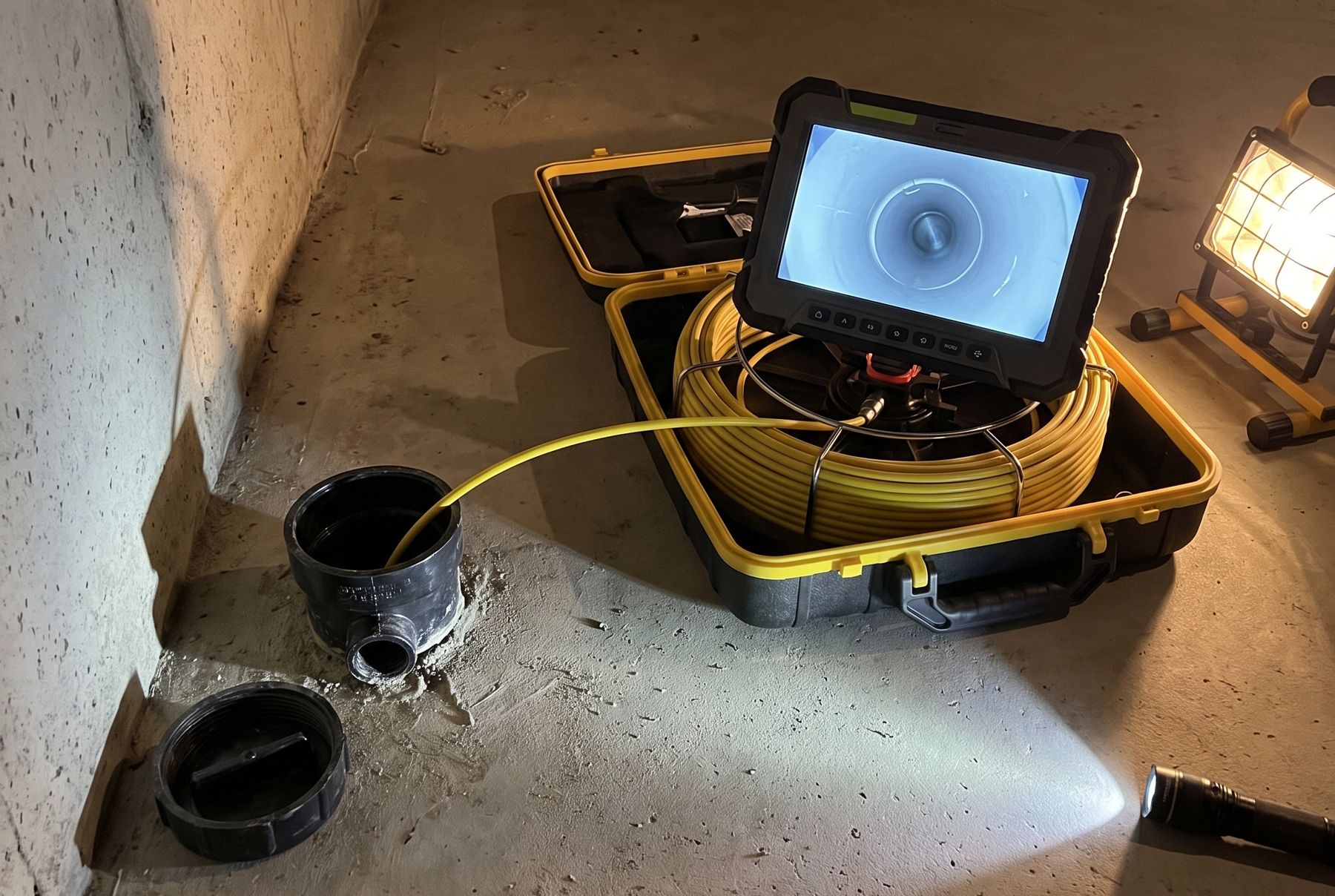
A sewer inspection camera fed into a basement cleanout, its monitor showing the inside of the sewer line
From the Field

What the sewer camera found this year, and what stopped it before it started

Sewer scopes picked up this fall. I booked six in September, twice as many as in August, and more buyers are asking me to look at the one system a standard home inspection cannot see: the pipe that carries everything from the house to the city main or the septic tank.

In August I scoped the main drain on an 1865 home in St. Martins. About five metres out, the camera showed roots working their way into the pipe, and it could go no further. Past that point the drain looked clogged. For the buyer, that meant a real chance of sewage backing up into the basement, and a cleaning or repair to price before closing. My report recommended a qualified drain specialist take a look before the condition period ran out. Found inside that window, it is a cost the buyer can still negotiate.

Three of the five camera runs I have done this year came back clean. On a 2006 home in Saint John in September, the camera ran 7.74 metres through a 150 millimetre plastic line to the city main, and I had nothing to write up. That buyer knows what the line is made of, what shape it is in, and that nothing is waiting for them under the lawn.

What surprised me is how often the scope never really got started. On four of this year's scopes the cleanout stopped me: a cap that would not come off on a 1930 home in Saint John, a cleanout nobody could find on a Rothesay home on septic, a U shaped cleanout too tight for the camera to turn through, and one with no access at all. None of that is anyone's fault. On an older house, the cleanout often has not been opened in years.

Agent takeaway

The most useful thing you can do for a sewer scope happens before inspection day. Ask the seller where the cleanout is and whether the cap has been off in recent memory, and make sure it is not boxed in behind storage or a finished wall. A scope that runs to the street answers the question. A scope stopped at the cleanout sends everyone back for a second visit inside a condition period that is already short. On pre-1980 homes in Saint John's older neighbourhoods, where clay and cast iron lines are common, raise the scope with your buyers early so it can be booked on the same visit as the home inspection.

Code Update

When does New Brunswick move to the 2025 building codes? The province has now put a date on it.

For the last two issues the answer to this question was simply not yet. It still is today: New Brunswick builds to the National Building Code 2020 and the National Energy Code 2020, with the energy provisions at Tier 2. What is new is that the province has published a code update road map that moves New Brunswick to the 2025 codes on January 1, 2027, with the energy requirements for houses stepping up to Tier 3, and Tier 4 to follow in 2029. The province notes that the plan may change.

What it means for resale. Building codes apply to new construction and permitted work going forward, not retroactively, so an existing home is not out of date on January 1 because the code moved. What changes is the benchmark for new builds and renovations. A buyer comparing a new build finished under the 2020 codes with one finished under the 2025 codes may see a difference in energy performance, and which set applies generally depends on when the permit was issued.

For buyers of new construction, one program is worth pairing with the date. CMHC Eco Plus refunds 25% of the mortgage loan insurance premium on qualifying energy efficient new homes, so the energy rating on a new build can be worth money at closing as well as on the power bill.

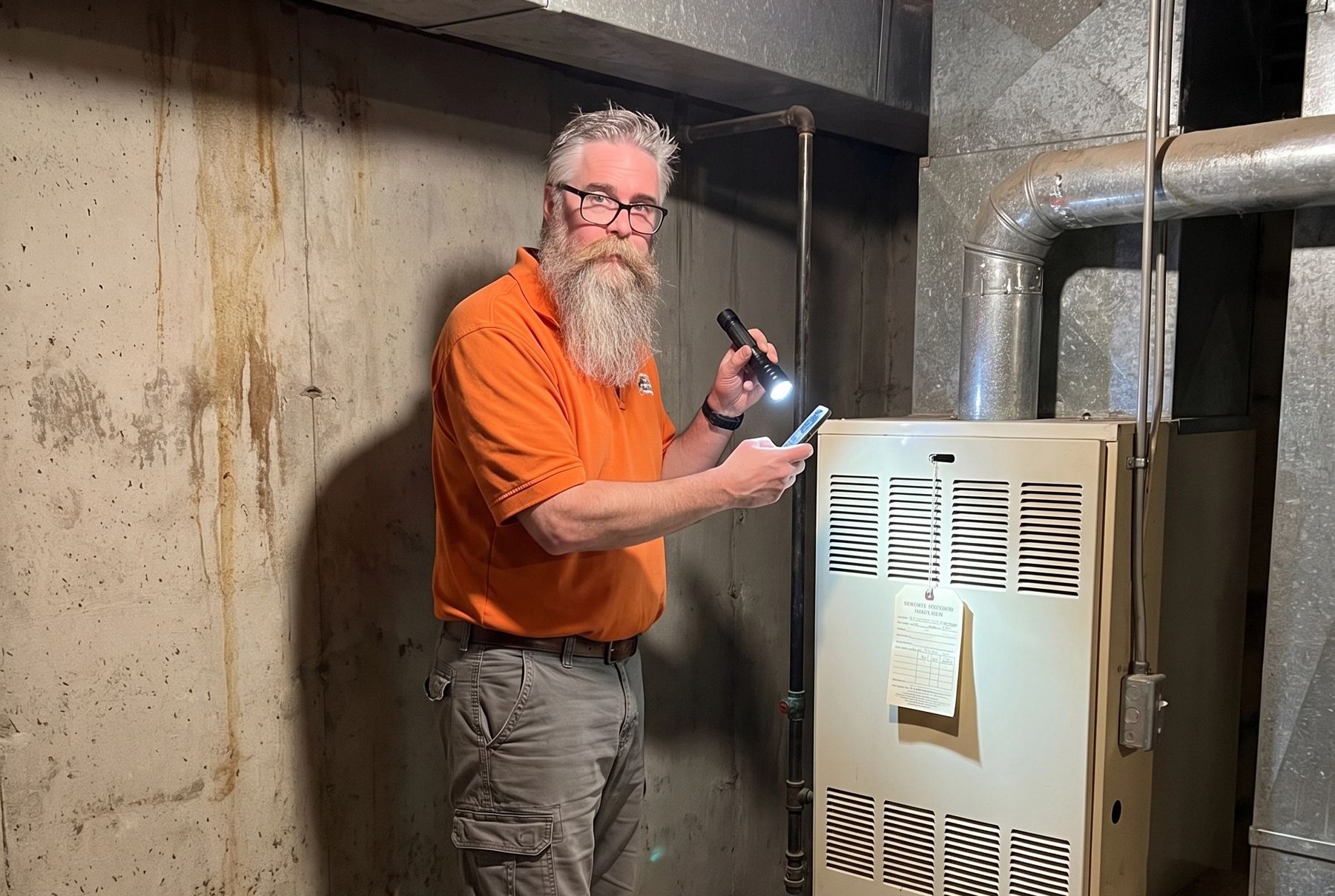
Jonathan with a flashlight and phone beside a furnace with its service record tag on the front panel
Listing Agent Tip

Three documents to have ready when you list a home going into heating season

With heating oil where it is and more listings on the market than any August in five years, the heating questions arrive early this fall. Three documents in the listing file answer them before a buyer's inspection period starts.

The heating service record. When the furnace, boiler or heat pump was last serviced, and by whom. The tag on the unit and the invoice in the drawer both count. A system with a recent service record reads very differently to a buyer than one with no history.

The system's age and fuel. The data plate gives the manufacture date, and for an oil heated home the tank's age and the insurer's requirements come with it. With both in the file, a buyer can price the heating before they write the offer.

The WETT report for any wood stove. Many insurers ask for one on a home with a wood stove or insert, and the question usually arrives during the condition period. A current report with any clearance or hearth item already corrected answers that question before it slows the deal.

Why a pre-listing inspection earns its cost

A pre-listing inspection documents the heating system's age and condition, the oil tank, and the wood stove on the same visit, with the WETT inspection as an add-on, so the answers are in the listing file before the first showing. If you have a listing coming to market this fall and want to talk through whether a pre-listing inspection makes sense, call or text 506-651-9461.

Programs Worth Knowing

Three programs deserve a Southern New Brunswick buyer or seller's attention this month.

Heating Upgrades Still Open

The provincial pathways off oil

The Enhanced Energy Savings Program still provides free upgrades, including help switching off oil, for households with income under $70,000. Above that line, the Total Home Energy Savings program pays rebates of up to $2,000 on qualifying heat pump systems, with upgrades completed within nine months of the home energy evaluation. Households already enrolled in Oil to Heat Pump Affordability have until October 1, 2026 for advance paperwork and March 31, 2027 to finish the work.

SaveEnergyNB →

Radon Action Month

November is the month to start a radon test

A long term radon test reads most accurately in the heating season, when the house is closed up. November is Radon Action Month in Canada, and free test kits are available through New Brunswick public libraries while supplies last. C-NRPP recommends a minimum 91 day test, the standard I follow on every radon job across Southern New Brunswick.

Free library radon kits →

CMHC Eco Improvement

A 25% mortgage insurance premium refund

On a CMHC insured purchase of an existing home, a buyer who completes eligible energy upgrades, such as a heat pump, insulation or windows, can apply for a refund of 25% of the mortgage loan insurance premium. A buyer taking on an oil heated home this fall should know this exists before planning the conversion.

CMHC →
I found Jonathan very pleasant, informative, thorough and very professional. The reports were clear and concise documentations that were complemented by clear photographs.

Bruce C, Saint John NB · Verified Google Review

4.9 550+ Google Reviews · Southern NB's Most Reviewed Inspector

Get The Tide Report
in your inbox

I send a short email each month when a new issue goes live. One message, no fluff, just the key numbers and a link to the full report.

Subscribe